Written by the Casa Goliana team at Guanajuato 199, Roma Norte. Last updated 11 August 2026.
The short answer
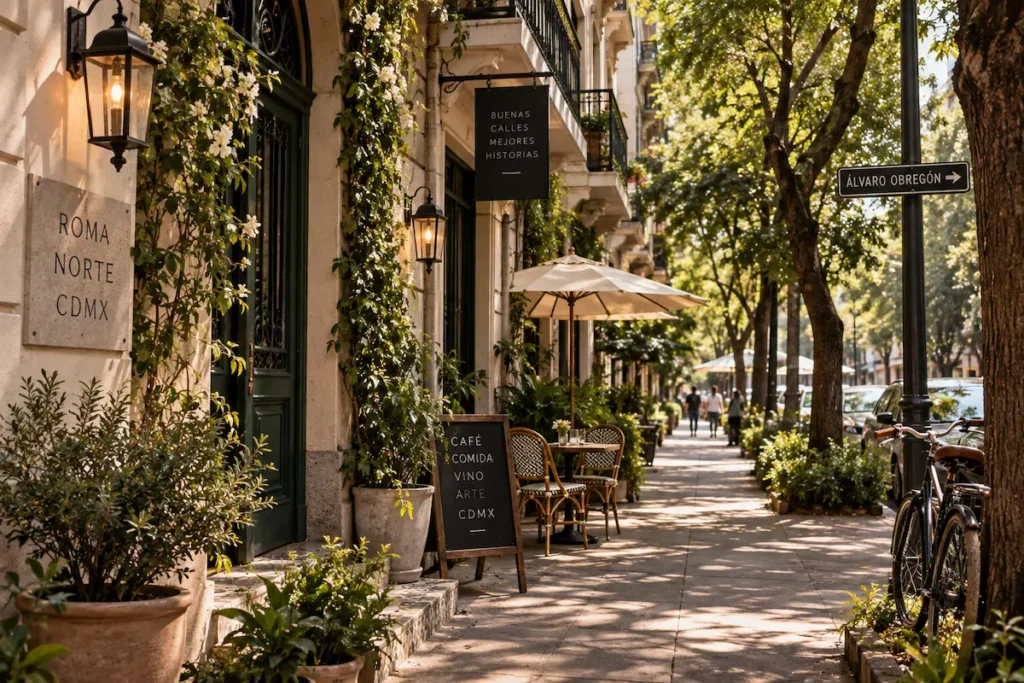
Roma Norte is a walkable, early 20th-century neighborhood in central Mexico City (postal code 06700, Cuauhtémoc borough), known for Art Nouveau and Art Deco houses, tree-lined streets, independent galleries, specialty coffee and one of the densest restaurant scenes in Latin America. It is bounded roughly by Avenida Chapultepec to the north, Insurgentes to the west, Cuauhtémoc to the east and Coahuila to the south. Most visitors use it as their base: the Centro Histórico is about 3 km away, Condesa is a 10-minute walk, and almost everything you want to do in the neighborhood itself is on foot.
Where Roma Norte is, exactly
Colonia Roma Norte sits in the Cuauhtémoc borough (alcaldía) of Mexico City, immediately south of the city’s central axis. Its postal code is 06700, and locals almost always call it simply La Roma.
The working boundaries are easy to hold in your head:
| Official name | Colonia Roma Norte |
|---|---|
| Also called | La Roma, Roma, Roma Norte CDMX |
| Borough | Cuauhtémoc |
| Postal code | 06700 |
| Northern edge | Avenida Chapultepec |
| Western edge | Avenida de los Insurgentes (Condesa begins on the other side) |
| Eastern edge | Avenida Cuauhtémoc (Colonia Doctores beyond) |
| Southern edge | Calle Coahuila (Roma Sur beyond) |
| Main spine | Avenida Álvaro Obregón, the neighborhood’s tree-lined promenade |
| Elevation | ≈ 2,240 m / 7,350 ft — expect to feel the altitude on day one |
| Distance to Centro Histórico | ≈ 3 km / 15 minutes by car, 25 by metro |
| Distance to the airport (AICM) | ≈ 10 km / 30–60 minutes depending on traffic |
If you look at a map, the neighborhood is a tidy grid — unusual for Mexico City — with streets named after Mexican states and cities: Guanajuato, Puebla, Colima, Zacatecas, Mérida, Orizaba, Córdoba, Tabasco, Durango. That grid is the single reason Roma Norte is so pleasant on foot. You can navigate it after one afternoon.
Why it looks the way it does: a short history
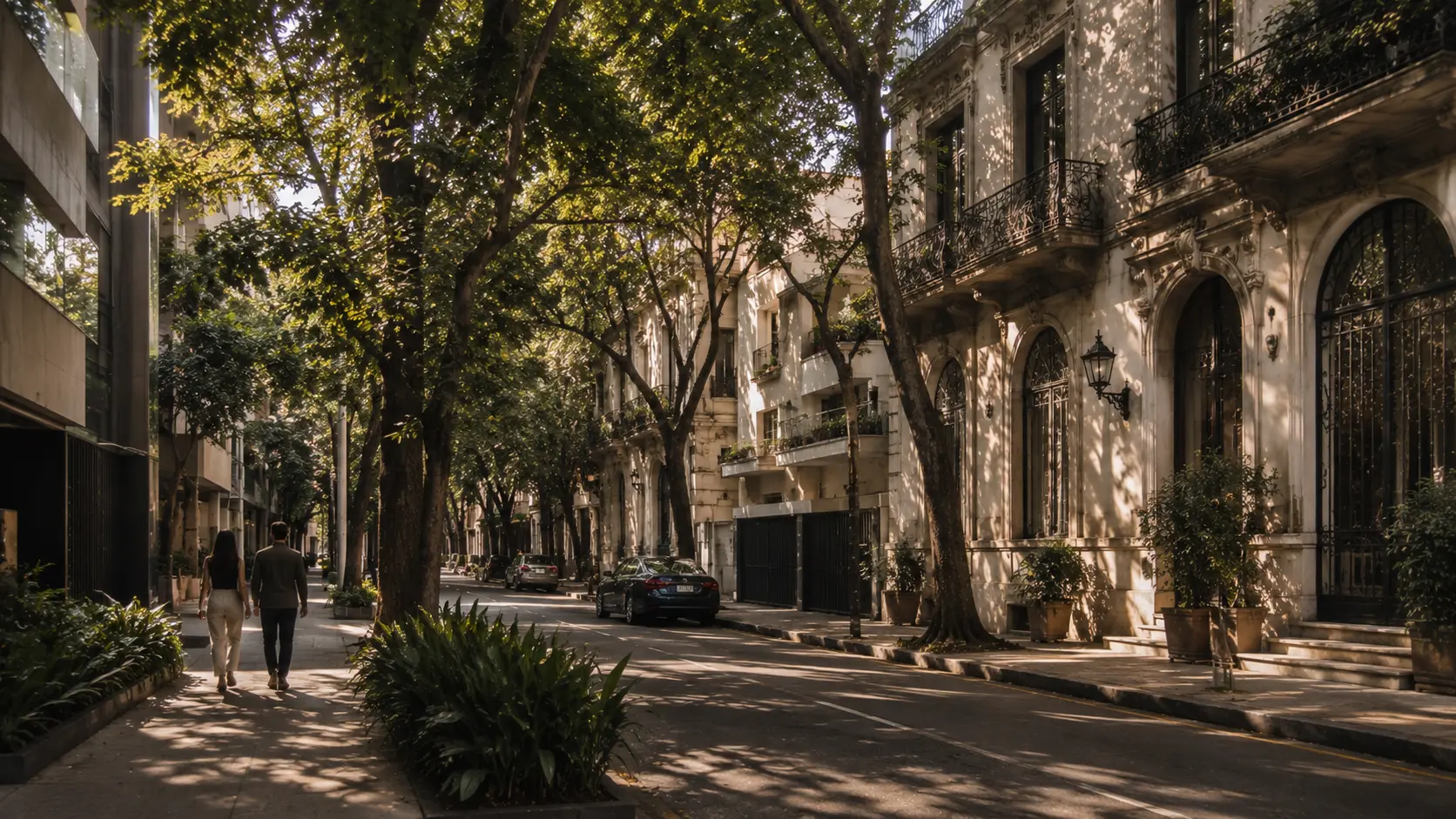
Colonia Roma was laid out in the first years of the 20th century, during the Porfiriato, as a planned district for Mexico City’s rising professional class. Its developers looked to Europe, and the result is a neighborhood of Art Nouveau townhouses, French-influenced palacetes, and — a little later — the Art Deco apartment buildings that give the streets their rhythm. Casa Goliana occupies one of those early 20th-century mansions, on Guanajuato 199.
Three moments explain everything you see today:
- 1902–1920: the founding. Grand houses, wide avenues and the two plazas that still anchor the neighborhood — Plaza Río de Janeiro, with its replica of Michelangelo’s David, and the smaller, quieter Plaza Luis Cabrera with its fountain.
- 1985: the earthquake. The September 1985 earthquake hit Roma hard. Buildings came down, families left, and rents collapsed. For two decades the neighborhood was cheap, damaged and half-empty.
- 2000s–today: the return. Low rents brought artists, galleries and young chefs. What was affordable became fashionable. Alfonso Cuarón’s film Roma put the neighborhood on screens worldwide in 2018, and the remote-work wave after 2020 accelerated everything, for better and for worse.
That history is legible on almost every block: a restored 1910 facade next to a 1970s concrete infill next to a 1930s Deco corner. If you want to read it properly, our self-guided Roma Norte architecture walking tour maps the best of it building by building.
Roma Norte vs Roma Sur, Condesa, Juárez and Polanco
This is the question we answer most often at the front desk. Here is the honest version.
| Neighborhood | Character | Best for | Trade-off |
|---|---|---|---|
| Roma Norte | Dense, architectural, walkable, restaurant-heavy | First-timers, food, galleries, nightlife on foot | Busier and noisier on Álvaro Obregón weekends |
| Roma Sur | Quieter, more residential, still walkable | Longer stays, better value, Mercado Medellín | Fewer restaurants; you walk north for the good ones |
| Condesa | Leafy, curved streets, built around Parque México | Green space, running, a calmer base | Slightly thinner cultural offer; more dog park than gallery |
| Juárez | Grittier, fast-changing, excellent bars | Cocktails, proximity to Reforma and Zona Rosa | Less charming street by street |
| Polanco | Luxury retail, corporate, wide avenues | Shopping, business travel, fine dining | Not walkable in the same way; feels international, not Mexican |
We have written two longer head-to-heads, because the choice really does change your trip: Roma Norte vs Condesa and the three-way Roma Norte vs Condesa vs Polanco. If you are still deciding across the whole city, start with the best neighborhoods to stay in Mexico City, compared.
Is Roma Norte safe?
Yes, with the caveats that apply to any large capital city. Roma Norte is one of the neighborhoods where international visitors most commonly stay, it is well lit on the main streets, and it stays awake late enough that you are rarely alone.
What our guests actually need to know:
- Daytime: comfortable to walk anywhere in the colonia. Normal awareness is enough.
- Evening: Álvaro Obregón, Colima, Orizaba, Córdoba and the plazas stay busy until late. Walking home from dinner is routine.
- After midnight: use Uber or Didi rather than hailing a street taxi. Avoid walking the quieter cross-streets alone, and be more alert along Avenida Chapultepec and Insurgentes.
- Phones: the single most common incident is phone snatching. Do not walk with your phone out on an empty street.
- Earthquakes: the city has a public alarm system. Ask us where the safe zone is when you check in — every building here knows its own.
- Altitude: at 2,240 m, day one is not the day for a long run or a mezcal marathon. Drink more water than you think you need.
For the citywide picture and how Roma Norte compares with Condesa, Coyoacán and Polanco, see our guide to the safest neighborhoods in Mexico City for tourists.
What to do in Roma Norte
The two plazas
Plaza Río de Janeiro is the neighborhood’s living room: a fountain, a bronze David, and the red Edificio Río de Janeiro — the “witch house” — looming over one corner. Plaza Luis Cabrera, a few blocks south, is smaller, greener and much quieter; it is where locals read.
Galleries and art
Roma Norte carries a serious contemporary art scene for a residential neighborhood — commercial galleries on Córdoba, Colima and Zacatecas, plus project spaces that change every few weeks. Most are free and most close on Sundays and Mondays. Our self-guided gallery-hopping route puts them in a walkable order. If you are in town in February, the whole city turns into a fair during Mexico City Art Week and Zona Maco.
Architecture
Casa Lamm on Álvaro Obregón is the easiest place to see a restored Porfirian mansion from the inside — it is a cultural center with a bookshop and a restaurant. From there, walk Orizaba and Córdoba slowly and look up. Follow the full architecture walk for the details.
Markets and shopping
Mercado Roma on Querétaro is the polished food-hall version; Mercado de Medellín, just over the line in Roma Sur, is the real neighborhood market and one of the best in the city for Latin American ingredients. Sunday mornings bring the small organic market to Calle Zacatecas. For the wider picture — La Ciudadela, La Lagunilla, Bazar Sábado, San Juan — see our new guide to the best markets in Mexico City. For design and fashion, we keep separate guides to high-end shopping, artisan shopping and independent fashion and design.
Wellness
Yoga studios, a temazcal or two, cold plunge, and some genuinely good bodywork — Roma Norte has quietly become a wellness neighborhood. Our Roma Norte wellness guide covers what is worth booking.
There is a longer list in things to do in Roma Norte, and our concierge arranges most of them — see the curated experiences, from taco tours and mezcal tastings to Teotihuacán with a pre-Hispanic cooking class.
Where to eat and drink
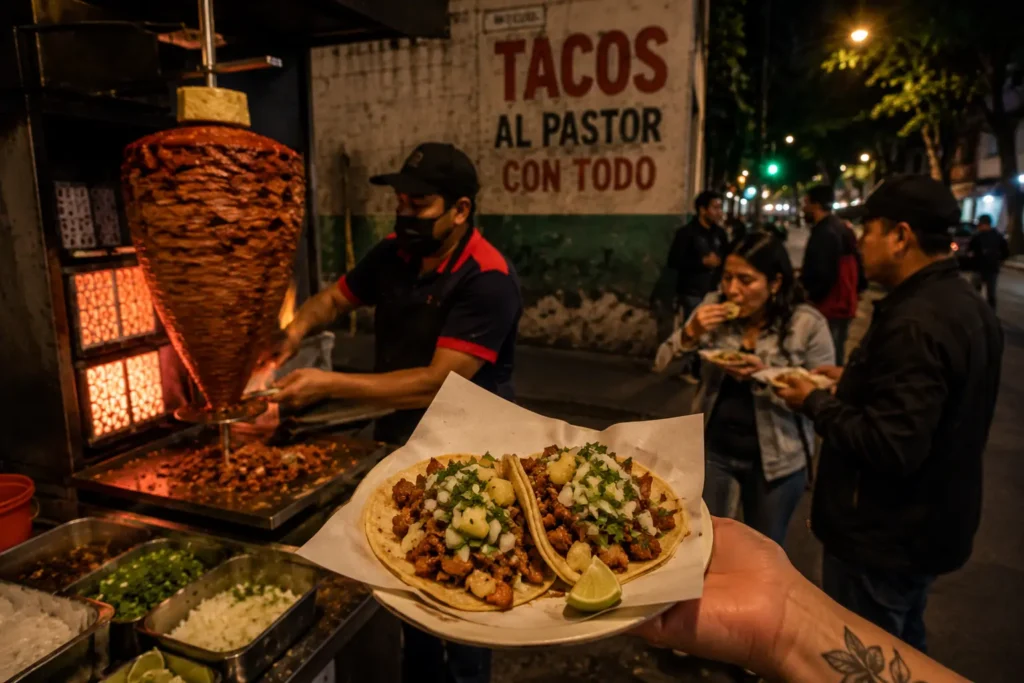
This is the reason many people come. Within a fifteen-minute walk you can eat a tasting menu, a seafood tostada at a counter, or three tacos al pastor standing on the sidewalk — and the third might be the best of the day.
| Meal | What Roma Norte does well | Our full guide |
|---|---|---|
| Breakfast | Pan dulce, concha con nata, chilaquiles, specialty coffee | Best coffee shops in Mexico City |
| Lunch (comida) | The long 2–5 pm Mexican lunch; seafood and contemporary Mexican | Best restaurants in Roma Norte |
| Street food | Al pastor, suadero, quesadillas, tlacoyos, esquites | Tacos and street food, safely |
| Drinks | World-ranked cocktail bars, mezcalerías, pulquerías, natural wine | Roma Norte nightlife guide |
| Coffee to work | Fast wifi, outlets, long tables | Best cafés in Roma Norte |
Two practical notes. First, the good restaurants book out — Contramar for lunch is a week ahead, sometimes more; our concierge does that for guests. Second, Mexican meal times run late: lunch starts at 2 pm and dinner rarely before 8:30 pm. Arrive at 7 and you will have the room to yourself.
A perfect day in Roma Norte, hour by hour
| Time | What to do |
|---|---|
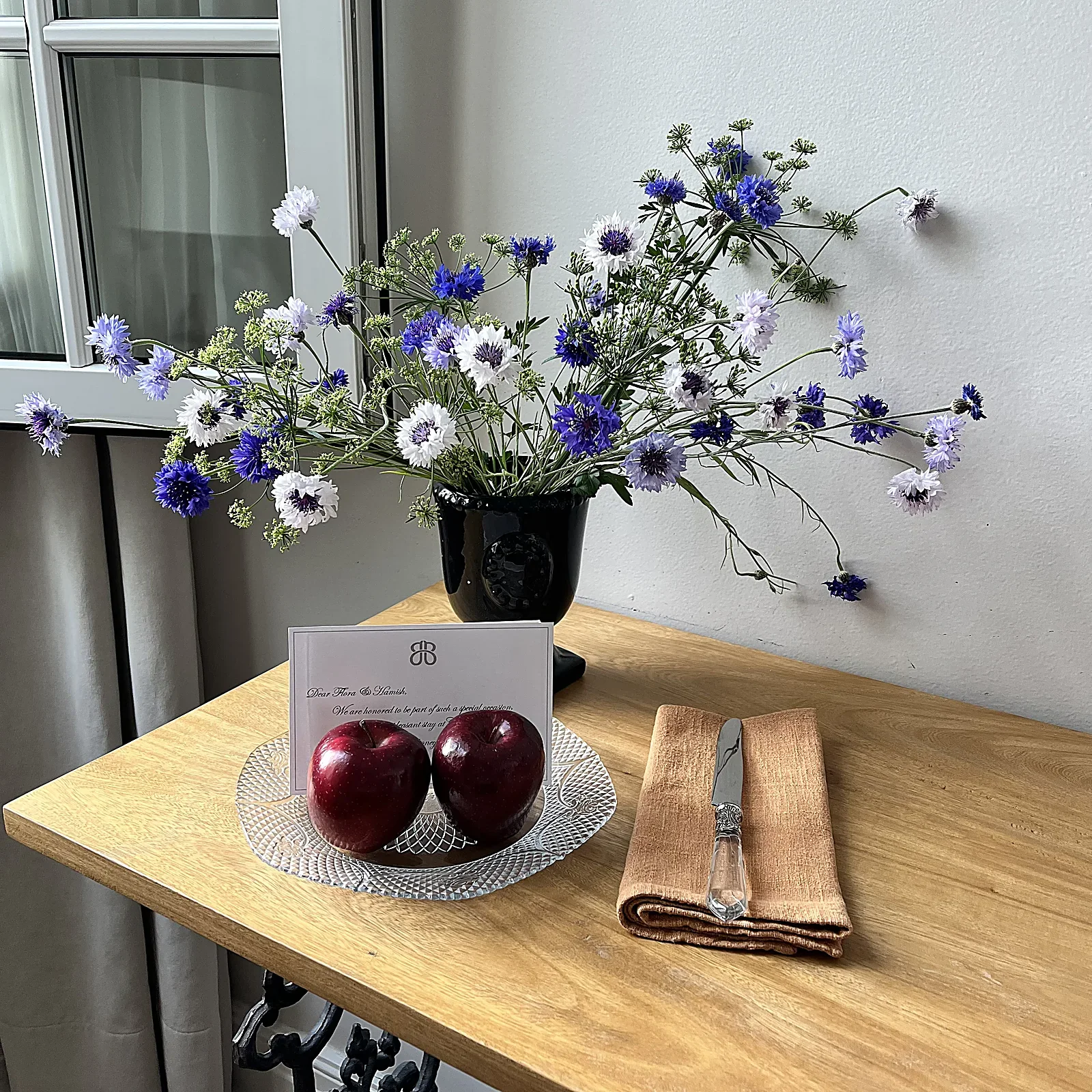
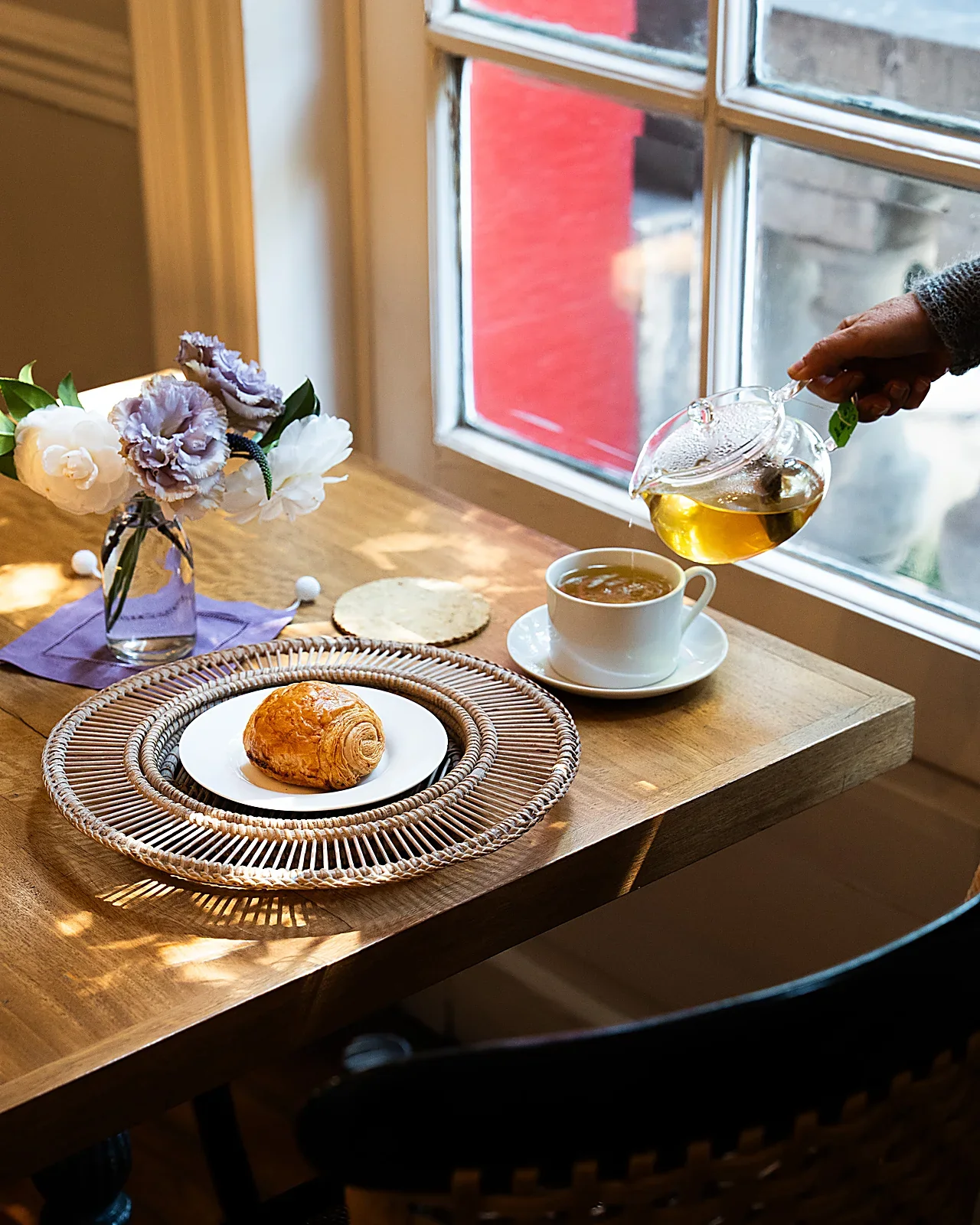
| 8:30 | Breakfast slowly. If you are staying with us, that is fruit sliced this morning, house-made jelly, bread delivered from a neighborhood bakery, and freshly ground Mexican coffee. |
| 9:30 | Walk Orizaba north to Plaza Río de Janeiro. Sit for ten minutes. This is the neighborhood waking up. |
| 10:30 | Architecture loop: Colima, Córdoba, Álvaro Obregón, Casa Lamm. Look up constantly. |
| 12:30 | Mercado de Medellín for the produce, the aguas frescas and the Latin American aisles. Or Mercado Roma if you want it tidier. |
| 14:00 | The long Mexican lunch. Book ahead. Do not schedule anything for 15:30. |
| 16:30 | Galleries on Córdoba and Zacatecas, then a bookshop, then a coffee. |
| 18:30 | Plaza Luis Cabrera as the light goes. The quietest twenty minutes of the day. |
| 20:00 | Mezcal, then tacos al pastor standing up, then a cocktail bar on Álvaro Obregón. In that order. |
If you have three days for the whole city rather than one for the neighborhood, use our 3-day Mexico City itinerary instead, and add a day trip if you have a fourth.
Getting there and getting around
From the airport
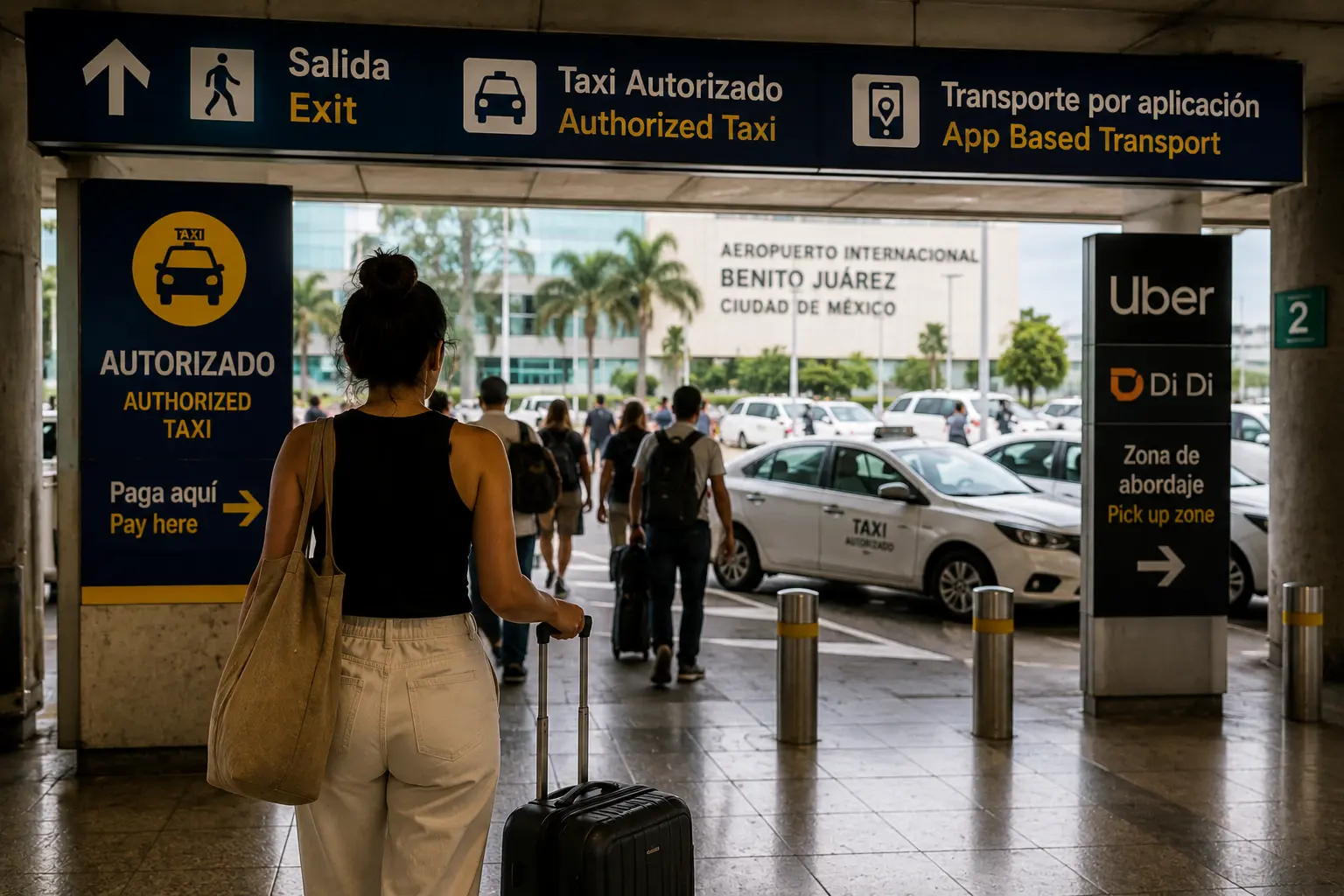
Mexico City International Airport (AICM) is about 10 km away — anywhere from 30 to 60 minutes depending on the hour. Use a pre-arranged private transfer, an authorized taxi booked at the counters inside the terminal, or a ride-hail app from the designated pick-up zone. We arrange pick-ups for guests with a day’s notice. The full breakdown of costs and options is in our airport to Roma Norte transport guide.
Inside the city
- On foot. For Roma Norte itself and for Condesa, always. It is flat and the blocks are short.
- Metrobús Line 1 runs the length of Insurgentes on the neighborhood’s western edge — the fastest way north to Reforma or south to Coyoacán and Del Valle.
- Metro Line 1 stops at Insurgentes and Cuauhtémoc, both a short walk away, and takes you straight into the Centro Histórico.
- Ride-hail (Uber, Didi) is inexpensive, ubiquitous and the right call at night.
- Ecobici bike share has docks throughout the colonia, and Sunday mornings Reforma closes to cars for the Muévete en Bici ride.
When to come
Mexico City has no bad season, only different ones. The dry months from November to April bring blue skies and cool mornings; May is the hottest; the rainy season from June to September delivers dramatic late-afternoon downpours that clear by dinner — pack a light jacket regardless, because at this altitude the evening always drops.
Two dates dominate the calendar and both are worth planning a trip around:
- 15–16 September: Independence. El Grito in the Zócalo on the night of the 15th, the military parade on the 16th, and chiles en nogada on every menu. See our Mexican Independence Day 2026 guide.
- Late October to 2 November: Día de Muertos — ofrendas, cempasúchil, Mixquic, and the city’s parade. See our Day of the Dead 2026 guide and the dedicated parade guide.
December brings posadas and a quieter, more domestic city — see Mexico City in December. For the month-by-month version, read the best time to visit Mexico City.
Where to stay in Roma Norte
The neighborhood runs from hostels to design hotels, and the difference that matters is not price but whether you are inside the grid or on its edge. Staying on a residential street inside Roma Norte means you walk to dinner. Staying on Insurgentes or Chapultepec means you take a car.
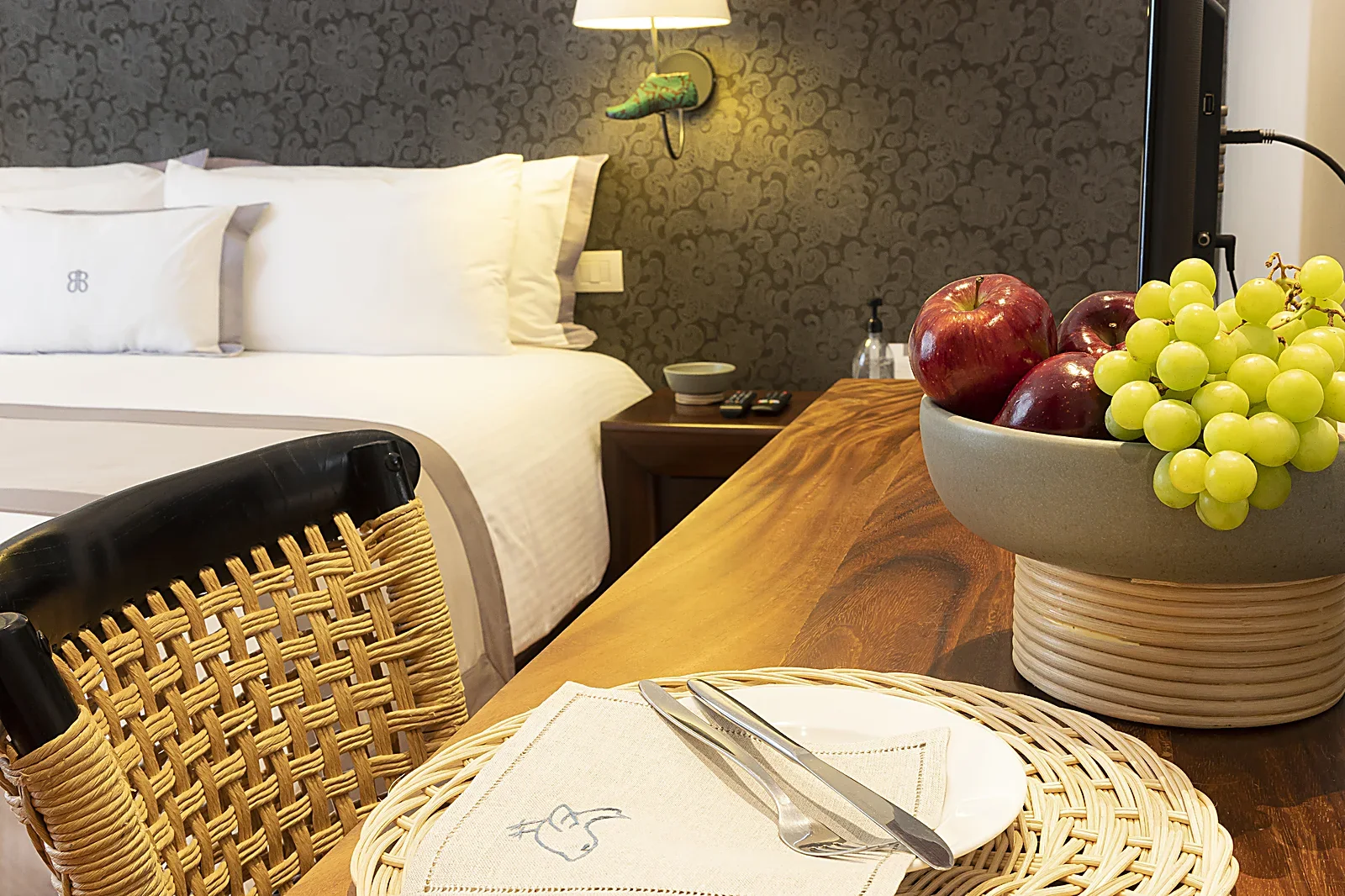
Casa Goliana is at Guanajuato 199, in the middle of that grid — a restored early 20th-century mansion with eight rooms, established here in 2015. Complimentary artisanal breakfast, a concierge who books the tables and the transfers, check-in from 15:00 and check-out at 12:00. It has appeared in The New York Times‘ 36 Hours in Mexico City, in Condé Nast Traveler’s Best Hotels in Mexico City and 21 Best Boutique Hotels in Mexico, in Architectural Digest, and in the MICHELIN Guide.
See the eight rooms · Check dates and book direct · Gallery · Practical FAQ · Press
If you want the wider comparison first, read where to stay in Roma Norte, our list of the best boutique hotels in Mexico City, the guide to historic hotels in restored mansions, or — if you are travelling alone — boutique hotels for solo travelers.
Thinking of staying longer?
Roma Norte is also the neighborhood most foreign residents land in first, and that has consequences — for rents, for the local character, and for how welcome you feel if you arrive without a word of Spanish. If you are considering months rather than nights, read our honest breakdown of the cost of living in Mexico City in 2026, the guide to expat neighborhoods in Mexico City, the best cities for expats in Mexico, and — for remote workers specifically — the Mexico City digital nomad guide and our Roma Norte wifi café list. For a slower way to do it, there is slow travel in Roma Norte.
Frequently asked questions about Roma Norte
Where is Roma Norte in Mexico City?
Roma Norte is in the Cuauhtémoc borough of central Mexico City, postal code 06700. It sits between Avenida Chapultepec to the north, Avenida Insurgentes to the west and Avenida Cuauhtémoc to the east, with Condesa just across Insurgentes and the Centro Histórico about 3 km northeast.
Is Roma Norte safe for tourists?
Roma Norte is one of the neighborhoods where visitors to Mexico City most commonly stay, and it is comfortable to walk during the day and into the evening on the main streets. The usual big-city rules apply: keep your phone out of sight on quiet streets, use Uber or Didi late at night rather than hailing a cab, and stay alert around Avenida Chapultepec and Insurgentes after midnight.
Roma Norte or Condesa: which is better to stay in?
Roma Norte is denser, more architectural and better for restaurants, galleries and nightlife within walking distance. Condesa is leafier and quieter, built around Parque México, and better if you want green space and a residential feel. They are a 10-minute walk apart, so you can stay in one and eat in the other.
How many days do you need in Roma Norte?
One full day covers the architecture, the plazas and a good meal. Two to three days lets you add galleries, a market morning, a mezcal tasting and a day trip. Most guests who use Roma Norte as a base for all of Mexico City stay three to five nights.
How do you get from Mexico City airport to Roma Norte?
It is roughly 10 km and 30 to 60 minutes depending on traffic. Options are a pre-arranged private transfer, an authorized airport taxi from the counters inside the terminal, or a ride-hail app from the designated pick-up area. Casa Goliana arranges airport pick-ups on request with at least a day’s notice.
Is Roma Norte walkable?
Yes. Roma Norte is one of the most walkable neighborhoods in Mexico City. Its grid of tree-lined streets is flat, blocks are short, and most restaurants, cafés, galleries and plazas sit within a 15-minute walk of each other. Sidewalks can be uneven, so bring shoes you can walk on for hours.
What is the difference between Roma Norte and Roma Sur?
They are two halves of the original Colonia Roma, split by Calle Coahuila. Roma Norte holds most of the restaurants, galleries and grand architecture. Roma Sur is quieter and more residential, with better value and the excellent Mercado de Medellín. Both are walkable and safe; Roma Norte is the one people mean when they say “La Roma”.
Do people speak English in Roma Norte?
In hotels, galleries and most restaurants, yes. In markets, taquerías and with taxi drivers, often not. A dozen words of Spanish will change how the neighborhood treats you — start with buenos días, por favor, la cuenta and gracias.
Stay in the middle of it
Casa Goliana is eight rooms in a restored early 20th-century mansion at Guanajuato 199, three blocks from Plaza Río de Janeiro and inside walking distance of everything on this page. Breakfast is included, and the concierge books the tables you will not get on your own.
Check availability and book direct · Ask us a question · Or see our house in Mérida, Yucatán