Written by the Casa Goliana team in Roma Norte. Last updated 11 August 2026.
The short answer
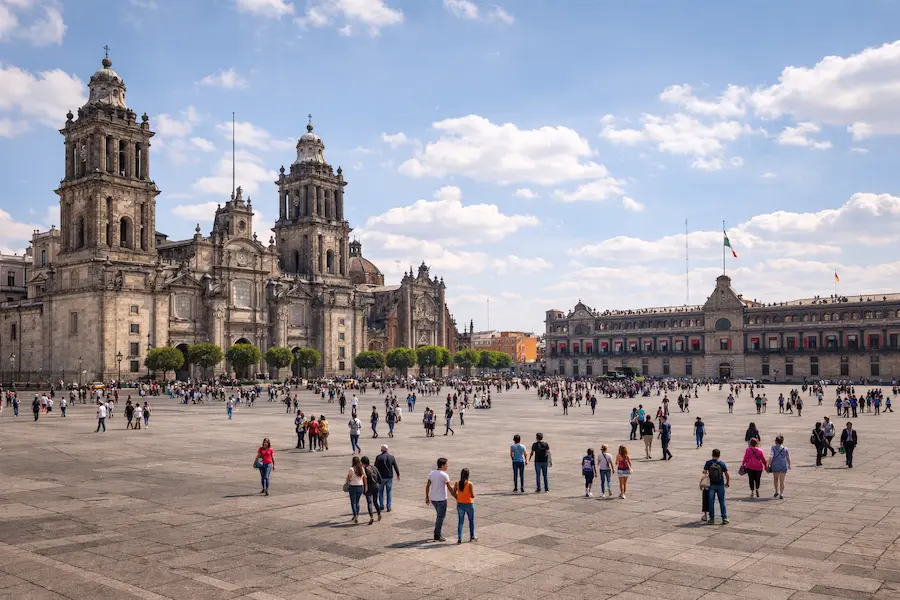
El Grito de Independencia takes place in the Zócalo at around 11 pm on Tuesday 15 September 2026, when the President rings the bell of Dolores from the balcony of the National Palace, calls the vivas, and the square answers. Fireworks follow. The national military parade runs on the morning of Wednesday 16 September 2026, from the Zócalo along Paseo de la Reforma to Campo Marte, starting at about 11 am. The 16th is a mandatory public holiday. 2026 marks 216 years since Miguel Hidalgo’s call to arms in Dolores in 1810.
The dates and times for 2026
| Date | Day | What happens |
|---|---|---|
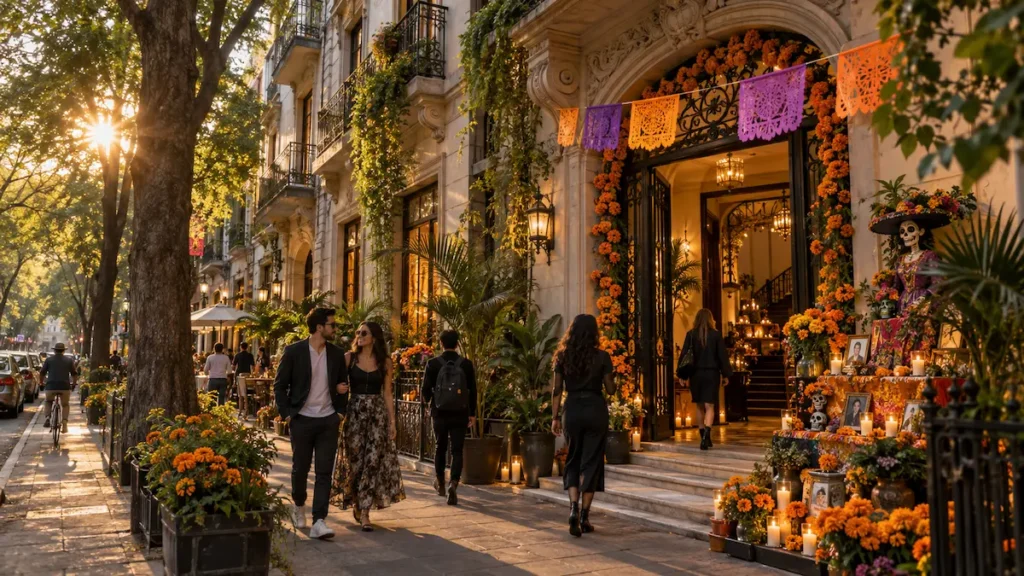
| 1–14 Sept | — | Mes de la Patria. Flags on every building, papel picado in green, white and red across the streets, chiles en nogada on every menu. |
| Sun 13 Sept | Sunday | Día de los Niños Héroes: a solemn state ceremony at the Monumento a los Niños Héroes in Chapultepec. |
| Tue 15 Sept | Tuesday | Free concerts in the Zócalo from early evening. El Grito at around 11 pm, then fireworks. Neighbourhood verbenas and restaurant Grito dinners all over the city. A normal working day until the evening. |
| Wed 16 Sept | Wednesday | Public holiday. The Desfile Militar from about 11 am: Zócalo, 5 de Mayo, Avenida Juárez, Paseo de la Reforma, ending at Campo Marte. Quiet, family afternoon afterwards. |
| Sat 19 Sept | Saturday | National earthquake drill. Sirens sound across the city at a scheduled hour — see the practical notes so it does not alarm you. |
Times for the Grito and the parade are set by the federal government and published in the first half of September. The 11 pm Grito and the 11 am parade are the long-standing pattern; confirm the exact hour close to the date, and ask us if you are staying with us — we track it every year.
What is actually being commemorated
In the early hours of 16 September 1810, in the town of Dolores in Guanajuato, a parish priest named Miguel Hidalgo y Costilla rang his church bell to summon his congregation and called on them to rise against Spanish rule. What he said is not recorded verbatim; what followed was eleven years of war that ended with Mexican independence in 1821.
Every year since, on the night of 15 September, the President of Mexico stands on the central balcony of the National Palace — the building that faces the Zócalo — and re-enacts that moment. The bell rung is the original bell from Dolores, brought to the capital in the nineteenth century and mounted above the balcony. The President calls out a series of vivas, naming the heroes of independence, and the crowd of hundreds of thousands answers each one. Then the flag is waved, the bell is rung again, the national anthem is sung, and the sky over the Centro Histórico goes up in fireworks.
Every mayor, governor and Mexican consulate in the world does a version of the same thing at the same hour. In 2026 the ceremony marks 216 years.
One correction worth carrying with you: this, not Cinco de Mayo, is Mexico’s national day. Cinco de Mayo commemorates a battle against the French in Puebla in 1862 and is a modest date in most of the country.
El Grito: how the night works
The rhythm of 15 September is the same everywhere, from the Zócalo to a family kitchen in Narvarte:
- Evening. People gather — in the square, in a restaurant, at home. Everyone is in green, white and red, and there are far more flags per square metre than you are expecting.
- Dinner. Pozole is the classic. Chiles en nogada if the house is showing off. Tequila and mezcal throughout.
- Around 11 pm. Everything stops. Wherever you are, a screen or a balcony will carry it. The bell, the vivas, the flag.
- ¡Viva México! Shouted three times, at volume, by everyone present. Join in. You are supposed to.
- The anthem, then fireworks.
- Then the party, which in the Zócalo means bands until late and in Roma Norte means the bars staying open with the doors thrown wide.
The vivas follow a set form — ¡Viva Hidalgo! ¡Viva Morelos! ¡Viva Josefa Ortiz de Domínguez! ¡Viva Allende! ¡Vivan los héroes que nos dieron patria y libertad! ¡Viva México! — and the crowd answers ¡Viva! to each. You will pick it up in the first ten seconds.
Doing the Zócalo properly
Being in the main square for the Grito is one of the great collective experiences in the Americas, and it is not a casual outing. Several hundred thousand people fill the Plaza de la Constitución and the streets feeding it. If you are going to do it, do it deliberately.
- Arrive between 6 and 8 pm. By 9 the access points are congested and by 10 you may not get into the square at all.
- Expect security screening. Entry is through controlled points with bag checks. Glass, alcohol and large bags are refused.
- Carry almost nothing. Phone and a little cash in a front pocket. No passport, no bag on your back, no jewellery. Pickpocketing in that density is the single most common problem.
- Agree a meeting point in advance. Mobile networks struggle badly under that many people; assume you will not be able to call anyone.
- Plan the exit before the entry. Metro stations near the Zócalo close or run exit-only, ride-hail becomes unusable, and streets stay shut. The realistic plan is to walk twenty or thirty minutes west along the closed avenues until you clear the crowd, then get a car.
- Dress for the rainy season. Mid-September is wet and the evening is cool. A light rain jacket, and shoes you can stand in for five hours.
- Not for small children, and not for anyone uneasy in dense crowds. See the alternatives below.
From Roma Norte, go by Metro Line 1 early in the evening rather than by car. Our neighbourhood guide has the full transport picture.
Better alternatives to the Zócalo
Honestly? Most residents of Mexico City do not go to the Zócalo. They watch the Grito on a screen somewhere with better food and a chair. These are the alternatives we send guests to.
| Option | What it is like | Best for |
|---|---|---|
| A Grito dinner in Roma Norte or Condesa | Restaurants run a set menu, decorate in flag colours, and stop service at 11 to project the Grito. Loud, joyful, seated. | Almost everyone. Book by early September. |
| Coyoacán | The southern plazas hold their own verbena with the borough’s own Grito — food stalls, families, a fraction of the crowd. | Families, first-timers, anyone who wants it human-scale. |
| San Ángel | Cobbled, elegant, small. A quieter, more traditional evening. | Couples, older travellers. |
| A rooftop in the Centro | Bars and hotel terraces around the Alameda and Madero sell tickets for the fireworks view. Pricey, comfortable, spectacular. | Photographers; anyone who wants the Zócalo without being in it. |
| A neighbourhood verbena | Street parties in the colonias with stalls, music and a local Grito. Unpolished and completely genuine. | Travellers with some Spanish who want the real thing. |
Whichever you choose, book it. Restaurants in the central colonias sell out their Grito service well before the date; our concierge holds tables for guests — tell us early. For the bars that do it best, see our Roma Norte nightlife guide.
The military parade on 16 September
The Desfile Militar is the largest annual parade in Mexico: army, navy, air force, mounted units, military working dogs, historical formations in period uniform, and a flypast. It steps off from the Zócalo at around 11 am and moves along 5 de Mayo and Avenida Juárez onto Paseo de la Reforma, finishing at Campo Marte beside Chapultepec.
Where to stand:
- Paseo de la Reforma is the best of it — wide pavements, the Ángel de la Independencia as a backdrop, and much easier to reach from Roma Norte than the Zócalo end. Be in place by 9:30 am.
- Avenida Juárez, by the Alameda, is a good middle option with shade and somewhere to buy coffee.
- The Zócalo is where it starts and where it is most crowded.
Practicalities: the route closes to traffic from early morning, so walk or take the Metro. Bring a hat and water — September sun at 2,240 metres is stronger than it feels — and expect rain in the afternoon. It usually finishes between 1 and 2 pm, after which the city has a very slow, very pleasant public-holiday afternoon.
What to eat: chiles en nogada and the rest
Chiles en nogada are the reason many Mexicans look forward to this month. A roasted poblano chile stuffed with a picadillo of pork, beef, fruit and nuts, cloaked in a cold walnut-and-cream sauce and scattered with pomegranate seeds and parsley — green, white and red. The season runs roughly from late July to the end of September, tied to the harvest of the walnuts and the pomegranates, and every Roma Norte restaurant of any ambition puts a version on the menu. Order one. They are not cheap, they are enormous, and they are the single most seasonal thing you can eat in Mexico.
Also on the table this month:
- Pozole — hominy and pork or chicken in a broth you dress yourself with radish, oregano, lettuce and lime. The classic Grito-night dish.
- Pambazos — a bread roll dipped in guajillo chile sauce and griddled, filled with potato and chorizo.
- Tostadas, sopes and flautas — the antojito table that appears at every party.
- Banderitas — the tequila, lime and sangrita trio, served in three glasses in the colours of the flag.
- Agua de jamaica and horchata, for everyone not on the tequila.
Where to eat it: our guides to the best restaurants in Roma Norte and street food. Our concierge also runs a cooking class where local chefs teach the dishes and you eat the results.
Practical notes: closures, transport and the 19th
| 15 September | A normal working day until evening. The Centro closes progressively from the afternoon. |
|---|---|
| 16 September | Mandatory public holiday. Banks and offices closed, many shops closed, most restaurants and museums open. Parade route closed to traffic all morning. |
| Transport | Metro and Metrobús run and are the only sensible way into the Centro. Some Metro stations near the Zócalo close or run exit-only on the night of the 15th. Ride-hail surges heavily. |
| Weather | Rainy season: warm days around 23 °C, cool evenings, and a real chance of a downpour between 4 and 8 pm. Bring a rain shell. |
| Hotels | A busy long weekend for domestic travel. Book central accommodation four to eight weeks ahead, more if you want a good room. |
| 19 September | National earthquake drill. The public alert sounds across the whole city at a scheduled time and everyone evacuates to marked safe zones. It is a drill and it is announced — but it is loud and it is startling if you do not know. The date also marks the 1985 and 2017 earthquakes; you will see commemorations. |
If you are arriving into this, our airport transport guide covers the options, and the month-by-month guide puts September in context against the rest of the year.
A three-night plan
| Day | Plan |
|---|---|
| Mon 14 Sept | Arrive. Walk Roma Norte while the papel picado is going up. Early dinner and a first chile en nogada. |
| Tue 15 Sept | Morning: Centro Histórico while it is still open — the Palacio Nacional murals, the cathedral, the Templo Mayor. Afternoon: rest. Evening: Grito, either in the Zócalo from 7 pm or at a booked table in Roma Norte at 9. Late night either way. |
| Wed 16 Sept | Parade on Reforma from 9:30 am. Long lunch afterwards. The city is slow and pleasant all afternoon — a good moment for the Roma Norte galleries or nothing at all. |
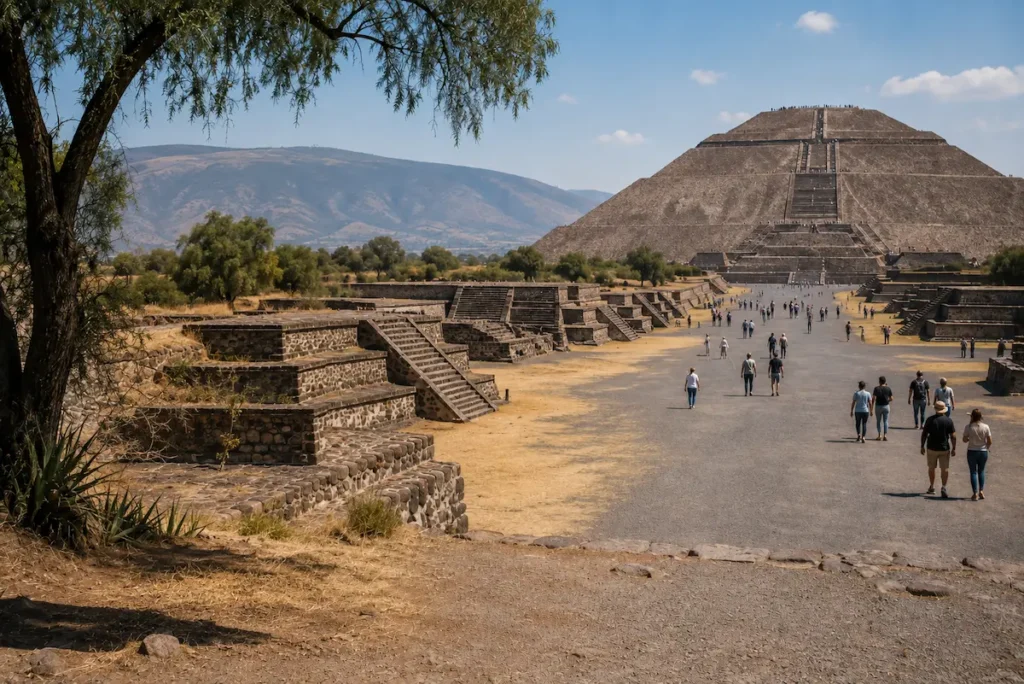
| Thu 17 Sept | Coyoacán and the Casa Azul, or a day trip to Teotihuacán before flying out. |
Have longer? Slot it into our 3-day Mexico City itinerary, and add a market morning from the markets guide — La Ciudadela is a good place to buy a flag.
Frequently asked questions
When is Mexican Independence Day in 2026?
Mexican Independence Day is 16 September, which in 2026 falls on a Wednesday and is a mandatory public holiday. The celebration begins the night before: El Grito de Independencia takes place in the Zócalo at around 11 pm on Tuesday 15 September 2026, followed by fireworks. The national military parade runs on the morning of the 16th.
What time is El Grito in Mexico City?
The President appears on the balcony of the National Palace at around 11 pm on 15 September, rings the bell of Dolores, calls the vivas and waves the flag, with fireworks immediately afterwards. The Zócalo programme of free concerts starts in the early evening, and the square is normally full by 8 or 9 pm.
Is Mexican Independence Day the same as Cinco de Mayo?
No, and Mexicans find the confusion funny. Independence Day is 16 September and marks the start of the war of independence from Spain in 1810. Cinco de Mayo commemorates the Battle of Puebla against France in 1862 and is a minor date in most of Mexico, observed mainly in Puebla.
Is the Zócalo safe on the night of El Grito?
It is a heavily policed official event with bag checks and controlled entry points, and hundreds of thousands of families attend. The real risks are crowd density, pickpocketing and the difficulty of leaving afterwards. Arrive before 8 pm, carry only a phone and small cash in a front pocket, agree a meeting point, and plan to walk out of the Centro rather than expect a car.
What do Mexicans eat on Independence Day?
Chiles en nogada are the dish of the season — a roasted poblano stuffed with picadillo, covered in walnut sauce and pomegranate seeds, in the colours of the flag. Alongside them: pozole, pambazos, tostadas, sopes, tequila and mezcal. Most Mexico City restaurants serve chiles en nogada from roughly late July through September.
Do shops and museums close on 16 September?
16 September is a mandatory public holiday in Mexico, so banks, offices and many businesses close. Restaurants, malls and most museums stay open, though hours vary and the Centro Histórico is largely shut to traffic for the parade. Expect the 15th to be a normal working day and the 16th to feel like a Sunday.
Can foreigners take part in El Grito?
Absolutely, and you will be welcomed for it. Wear something green, white or red, learn the response — ¡Viva! — and shout it. The only thing that reads badly is treating it as a spectacle to film rather than a national moment to join.
Is September a good month to visit Mexico City?
It is one of the most interesting and one of the wettest. Expect green parks, dramatic late-afternoon storms, mild temperatures, chiles en nogada, and a city in full patriotic dress for a month. Bring a rain shell and plan indoor options for 5 to 8 pm. See the best time to visit Mexico City.
Where to stay for the Grito
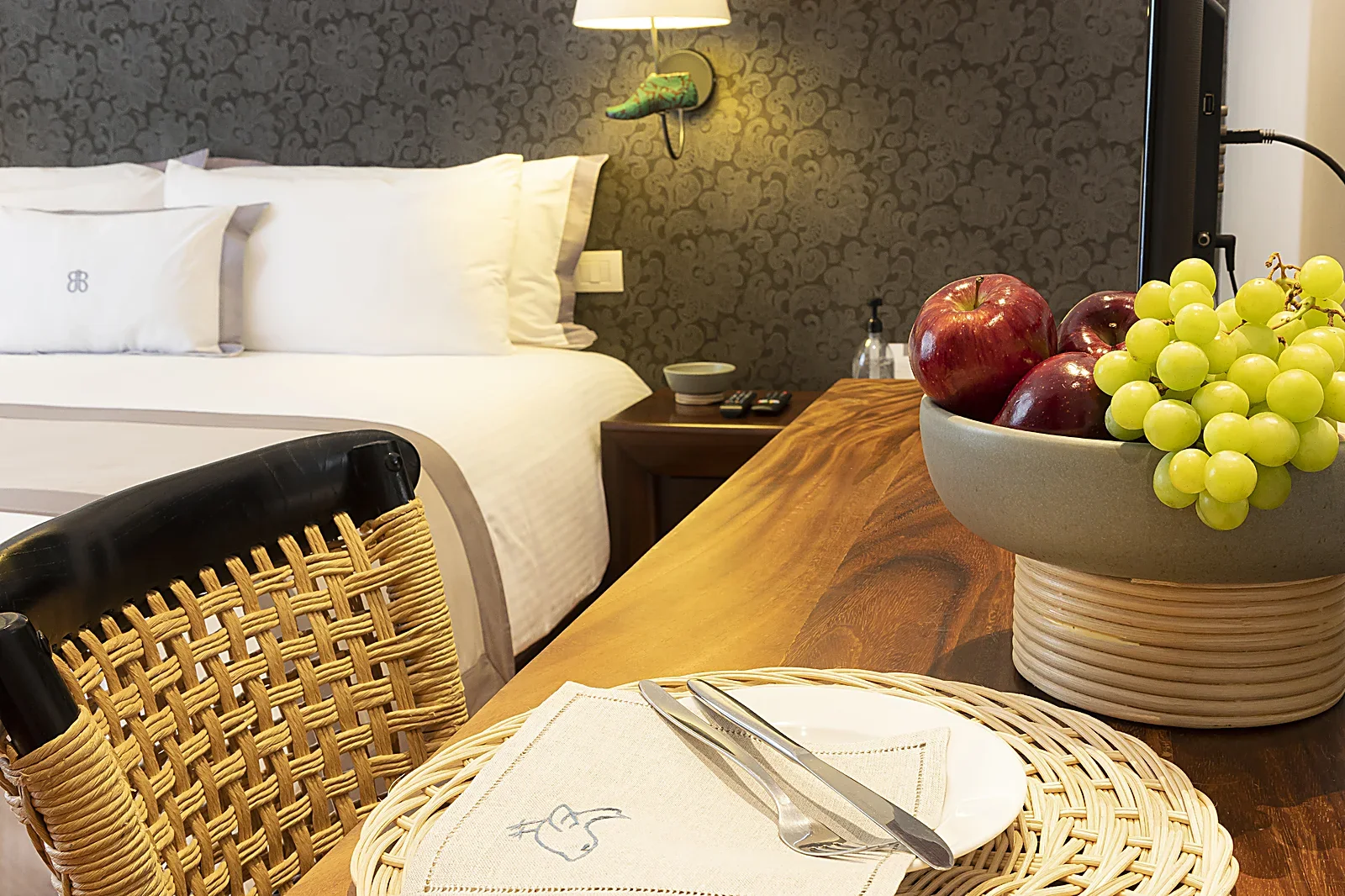
Casa Goliana is eight rooms in a restored early 20th-century mansion at Guanajuato 199, Roma Norte — one Metro line from the Zócalo, walking distance from Paseo de la Reforma’s parade stretch, and surrounded by the restaurants that do the Grito best. Artisanal breakfast included; the concierge books your table for the 15th.
Check availability for 14–17 September · See the rooms · Ask us to book the Grito dinner