By Jose Gaspard, Hospitality Director at Casa Goliana — boutique hotel in Roma Norte since 2015.
Last updated: May 21, 2026 · Reading time: ~7 min
What Is Slow Travel — And Why Mexico City Is Perfect for It
Slow travel is a simple idea: instead of racing through a checklist of must-see attractions, you settle into a place. You build a morning routine, find your coffee shop, and let a neighborhood reveal itself one day at a time. Mexico City — and Roma Norte in particular — is one of the world’s great slow travel destinations. It is a city of remarkable depth, where every street corner offers something new and there is never a reason to rush.
For travelers who want to live a city rather than tick it off, Roma Norte’s walkable streets, café culture, markets, and architecture make it the ideal base. This guide explains how to approach Mexico City the slow way, with a sample week in Roma Norte and the local routines worth adopting.
The Casa Goliana Slow Travel Philosophy
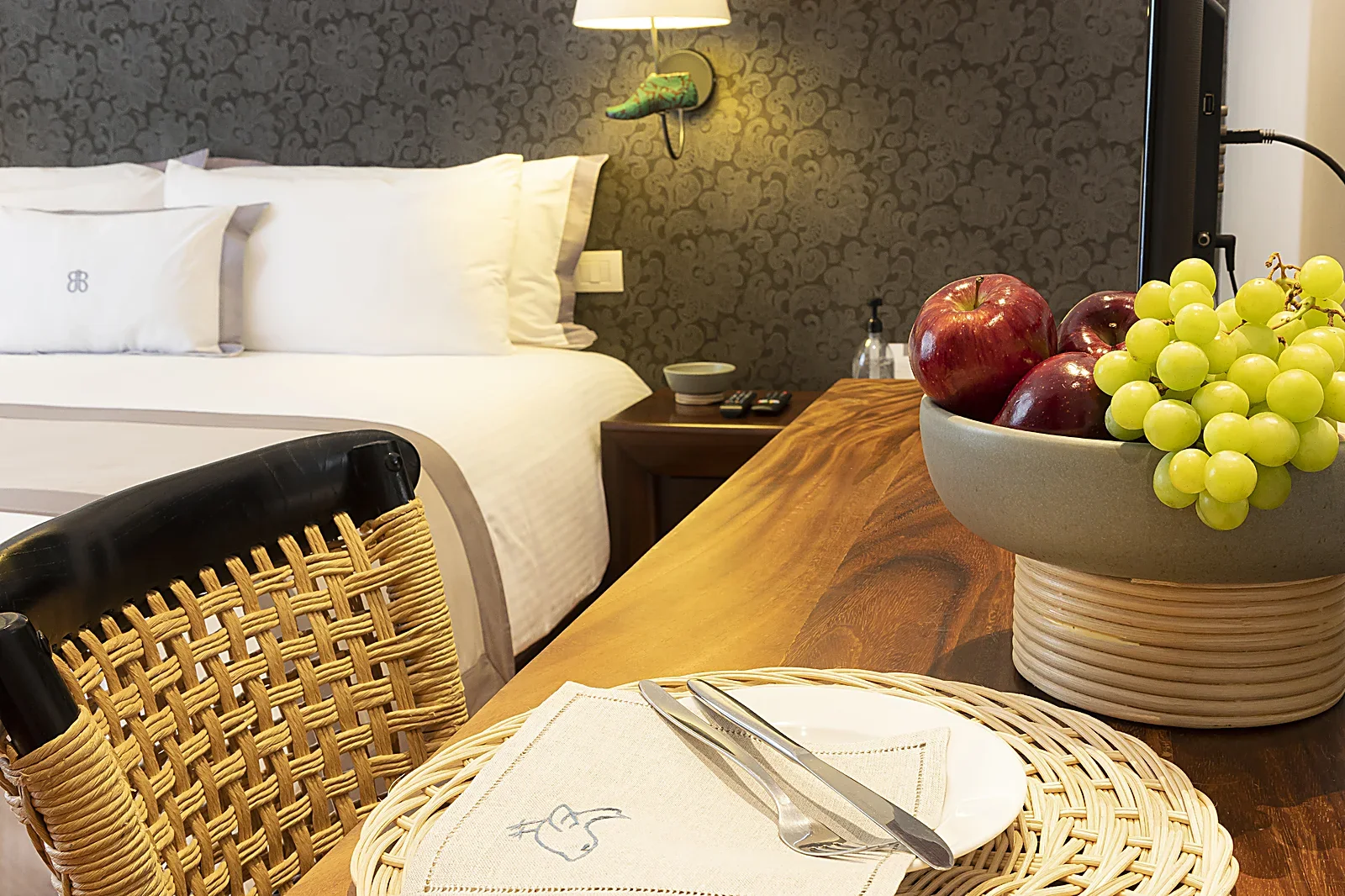
Casa Goliana was designed, almost instinctively, for slow travelers. Our team functions more like knowledgeable local friends than hotel staff. We know the best coffee shops for working, which market stall has the freshest produce, where to catch live jazz on a Tuesday night, and which gallery opening is worth your Thursday evening. Slow travel works best when someone local helps you skip the tourist version of a city — and that is exactly the role we play for our guests.
A Slow Travel Week in Roma Norte: Day by Day
Day 1: Arrival and Neighborhood Orientation
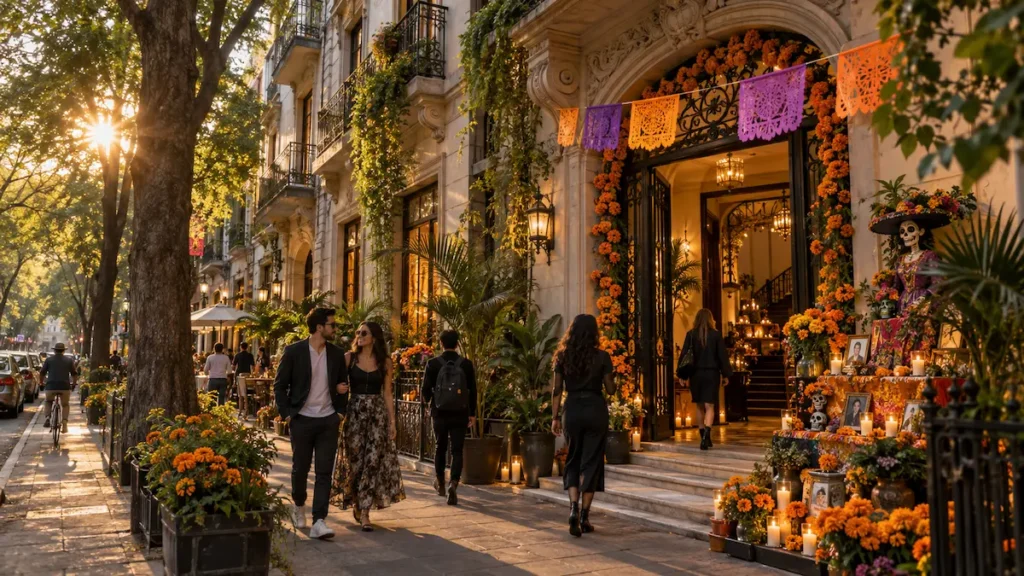
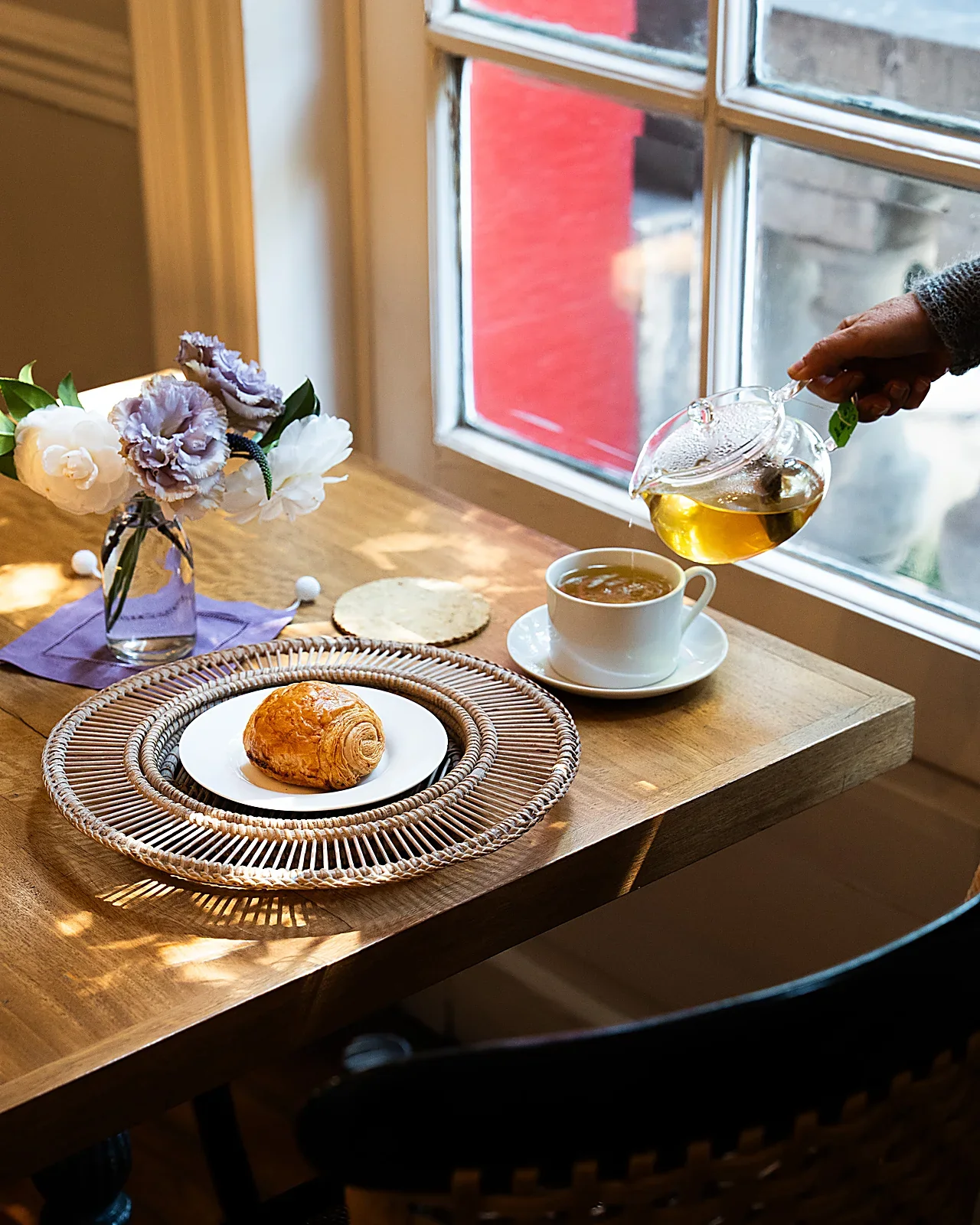
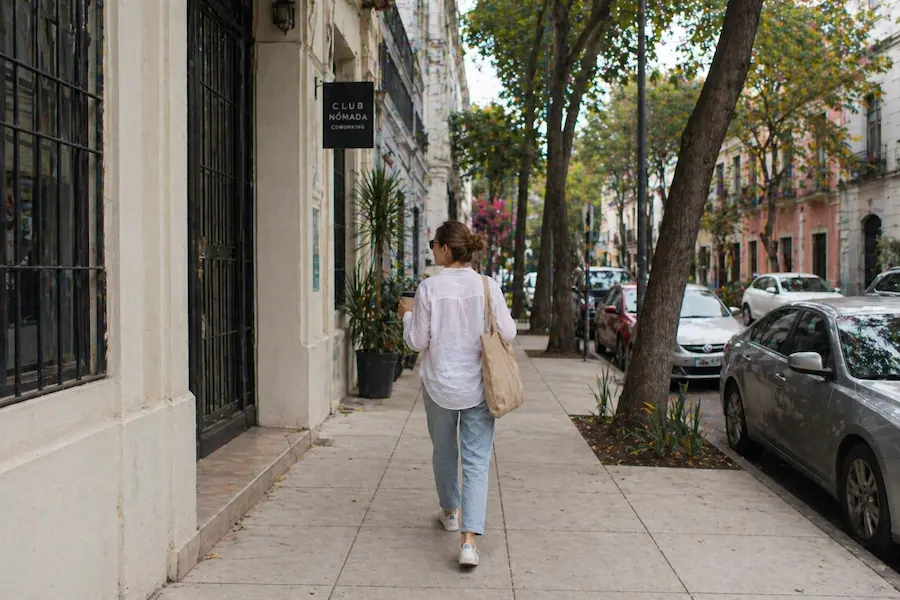
After settling in and enjoying Casa Goliana’s artisanal breakfast, resist the urge to plan. Begin with a slow walk in every direction from the hotel and let yourself get intentionally lost in the neighborhood’s grid. Notice the Art Nouveau façades, the tree-lined Álvaro Obregón corridor, and the street art tucked into unexpected corners. End the afternoon at a café on Colima or Córdoba street with a coffee and no agenda — this first unhurried day sets the tone for the entire trip.
Day 2: Morning Market and Afternoon Museum
Start at the Mercado de Medellín for an immersive local market experience — fresh produce, prepared food, Mexican and Latin American cheeses, and a genuine cross-section of neighborhood life. Buy a few things, talk to the vendors, and have an early lunch at one of the food stalls. Spend the afternoon at a Roma Norte gallery or a museum such as the Museo del Objeto del Objeto (MODO), then return for a slow dinner nearby.
Day 3: A Day Trip to Coyoacán
Take a morning ride to Coyoacán, one of the city’s most atmospheric neighborhoods, for cobblestone streets, artisan markets, and La Casa Azul — the Frida Kahlo Museum (book tickets in advance). Pause for a coffee at the legendary Café El Jarocho, wander the central plazas, and let the afternoon unfold slowly before returning to Roma Norte for dinner.
Day 4: A Deep Dive into the Music Scene
Mexico City has an extraordinary live music ecosystem — from the National Symphony at the Palacio de Bellas Artes to intimate jazz sessions in Roma Norte bars and cantinas. Keep the daytime light: a long lunch, a bookshop, a park. Save your energy for the evening, when the city’s musical life is at its best. Ask our team for current picks, since the best sessions are rarely advertised widely.
Day 5: A Walking Architecture Tour of Roma Norte
Roma Norte is an extraordinary architectural canvas — Art Nouveau, Art Deco, Porfirian Neoclassical, and Modernist buildings coexist on the same streets. Spend a morning simply walking and looking up: Plaza Río de Janeiro and its surrounding mansions, the residential blocks of Colima and Tonalá, and the detailing on early-20th-century homes. It is one of the most rewarding and unhurried ways to spend time in the city, and it costs nothing.
Days 6 and 7: Settle Into Your Own Rhythm
By the end of the week, you should have found your café, your park bench, your favorite taquería. Use these last days without a plan — revisit the places that resonated, let a conversation lead you somewhere new, and notice how differently the neighborhood feels now that it is familiar. That shift from visitor to temporary local is the whole point of slow travel.
The Local Routines Worth Adopting
The morning coffee ritual. Roma Norte comes alive early at its specialty coffee shops. Finding your morning café and returning to it daily is one of the great quiet joys of slow travel — and the staff will start to recognize you.
The Sunday tianguis. Mexico City’s Sunday street markets turn neighborhoods into open-air bazaars. The Tianguis Cultural del Chopo is a uniquely memorable one, and Roma Norte’s own weekend market along Álvaro Obregón is an easy, unhurried browse.
The afternoon pause. Mexico City keeps a culture of an afternoon slowdown. Use the 2–4 PM window to rest, read, or sit in a park rather than pushing through it.
The late dinner. Roma Norte residents eat late, and restaurants fill up after 9 PM. Adopt this rhythm and your evenings will feel far more local — and far less rushed.
Extended Stays at Casa Goliana
For travelers committed to the slow travel experience, Casa Goliana welcomes extended stays. A week is enough to find your rhythm; a month lets you truly live the neighborhood. Contact us directly to discuss availability and long-stay arrangements, and our team will help you settle in as if you were a new local.
Frequently Asked Questions
What is slow travel?
Slow travel is an approach to travel that prioritizes depth over speed. Instead of visiting many places briefly, you stay longer in one destination, build daily routines, and connect with the local culture, food, and people at an unhurried pace.
Is Mexico City good for slow travel?
Yes. Mexico City is one of the best slow travel destinations in the world thanks to its walkable neighborhoods, deep cultural life, exceptional food, and affordability. Roma Norte in particular offers everything a slow traveler needs within walking distance — cafés, markets, galleries, parks, and architecture.
How long should you stay for slow travel in Mexico City?
A week is the minimum to begin experiencing a neighborhood as a temporary local. Many slow travelers stay a month or longer, which allows daily routines to form and the city to feel genuinely familiar.
Begin your slow travel journey at Casa Goliana, Roma Norte
Frequently Asked Questions
What is slow travel in Mexico City?
Slow travel means settling into a neighborhood like Roma Norte instead of racing through a checklist — building a morning routine, finding your coffee shop, and letting the area reveal itself day by day.
Is Roma Norte good for slow travel?
Yes — Roma Norte is considered one of the world’s great slow-travel destinations thanks to its walkability and neighborhood rhythm.
How long should I stay to experience slow travel in Mexico City?
Slow travel benefits from a longer stay than a typical weekend trip, giving enough time to develop routines and local favorites rather than just sightseeing.