Over the last few years, Mexico City (frequently referred to as CDMX) has rapidly transformed into one of the absolute top global destinations for digital nomads, remote workers, international entrepreneurs, and retirees. With its incredible, spring-like climate, affordable world-class dining, and intensely vibrant culture, relocating to CDMX is an incredibly attractive prospect. But the very first and most intimidating hurdle any newcomer faces is choosing the right residential area. When thoroughly evaluating the best expat neighborhoods in Mexico City, a few key districts consistently stand out, with Roma Norte unequivocally leading the pack as the most desirable, culturally rich, and secure location for 2026.
This comprehensive, deeply researched guide is designed to help you navigate the complex landscape of relocating to the Mexican capital. We will explore exactly where the international community thrives, how to secure long-term housing, the realities of the cost of living, and why starting your journey at a luxury boutique hotel can make your transition infinitely smoother.
Why Expats are Flocking to Mexico City in 2026
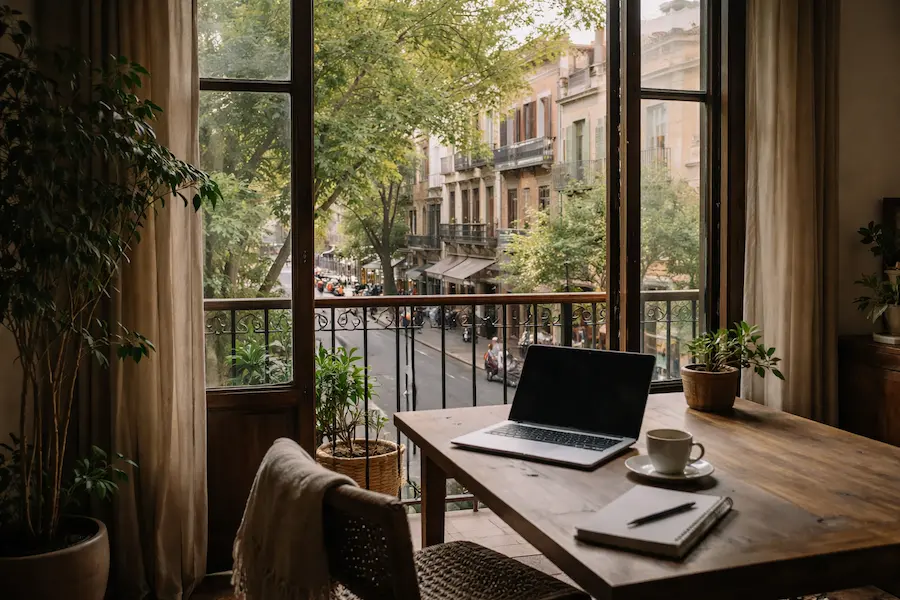
The global shift toward remote work has completely redefined how and where professionals choose to live. Mexico City offers an unparalleled, highly elevated quality of life that heavily appeals to international workers. The city seamlessly blends centuries of profound history with hyper-modern amenities. Expats are universally drawn to the significantly lower cost of high-quality private healthcare, the robust high-speed internet infrastructure that is absolutely essential for remote work, and a sophisticated cultural and culinary scene that easily rivals that of New York, Tokyo, or London.
Furthermore, the inherent warmth, deep hospitality, and welcoming nature of the Mexican people make integrating into the local lifestyle a deeply joyful and rewarding experience. For those seeking the best places to live in Mexico for expats 2026, the capital city offers the perfect equilibrium between thrilling metropolitan energy and relaxed, community-focused living.
Where Do Expats Live in Mexico City?
While Mexico City is a geographically massive, sprawling metropolis, the vast majority of the newly arrived expat community is heavily concentrated in three central, highly walkable, adjacent neighborhoods. Each district offers a completely different lifestyle, aesthetic, and daily rhythm.
Roma Norte: The Creative and Culinary Hub
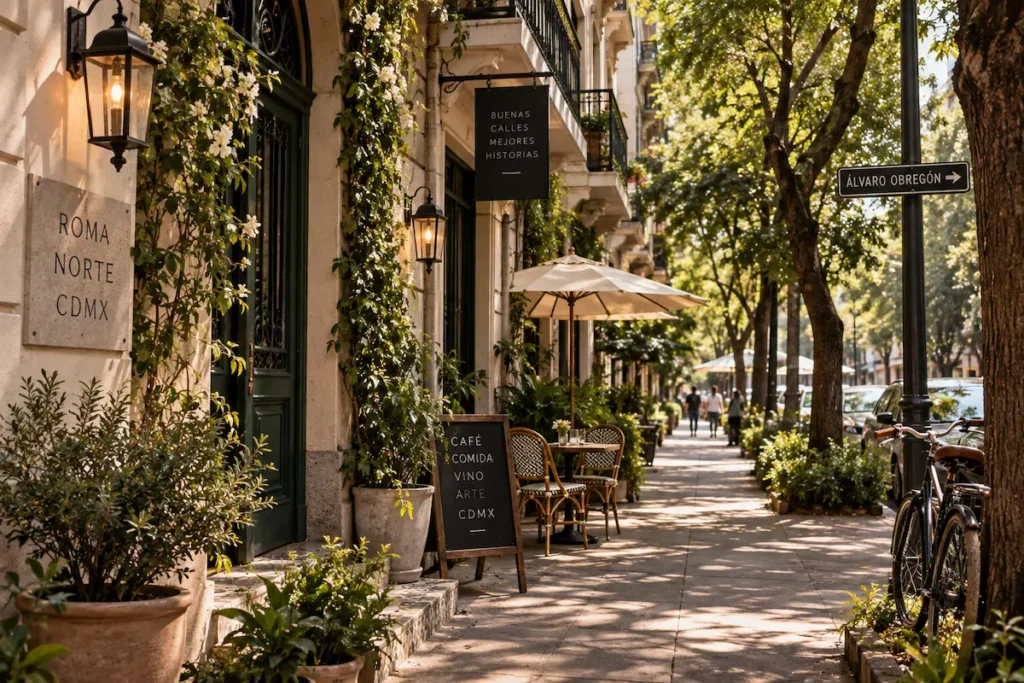
Roma Norte is the undeniable, undisputed favorite for young professionals, creatives, tech workers, and serious food enthusiasts. Known for its stunning, European-influenced Porfiriato-era architecture, independent boutique shopping, and the absolute highest concentration of top-tier restaurants, specialty coffee shops, and cocktail bars, it offers a dynamic, highly walkable urban lifestyle. Living in Roma Norte means you are constantly surrounded by inspiring art galleries, lush tree-lined boulevards like Avenida Álvaro Obregón, and a vibrant community of both locals and internationals. It represents the very beating heart of modern, creative Mexico City.
Condesa: Parks and Dog-Friendly Living
Bordering Roma Norte, the neighborhood of Condesa is heavily characterized by its massive, jungle-like green spaces, specifically Parque México and Parque España. It tends to attract expats who strongly desire a slightly greener, more relaxed, heavily residential, and highly dog-friendly environment. Condesa feels slightly more like a quiet international suburb tucked inside the city, though it does feature a very active, sometimes loud, nightlife scene along Avenida Tamaulipas.
Polanco: Corporate, Exclusive, and Upscale
Polanco traditionally attracts high-level corporate expats, international diplomats, and wealthy families. It is a highly sanitized, incredibly manicured district featuring massive luxury malls (like Antara Fashion Hall), international embassies, and high-end global chain hotels. While it is impeccably safe and highly exclusive, many modern expats feel that Polanco lacks the authentic cultural grit, artistic soul, and bohemian charm that makes Roma Norte and Condesa so uniquely captivating.
Why Roma Norte is the Best Neighborhood for Expats
For the vast majority of people relocating, Roma Norte strikes the absolute perfect balance. Here is why it consistently ranks as the number one choice for new residents.
Walkability and Public Transport
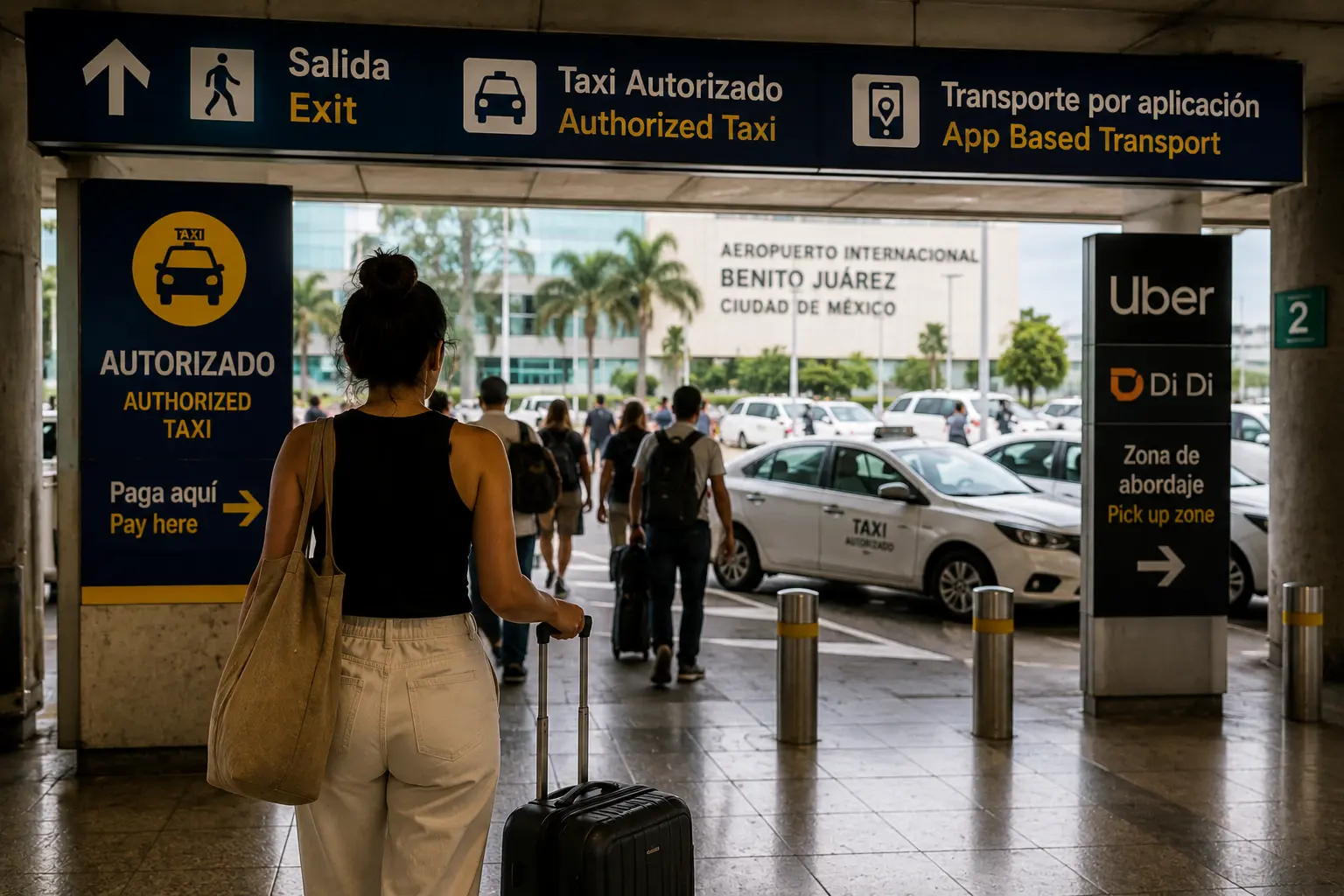
Roma Norte is incredibly, remarkably pedestrian-friendly. Most expats living here quickly find that they rarely, if ever, need to own or even rent a car. You can comfortably and safely walk to organic supermarkets, state-of-the-art coworking spaces, boutique gyms, and world-class nightlife. When you do need to leave the immediate neighborhood to explore the historic center or the southern districts, the efficient Metrobús lines and the abundant, highly affordable Ubers make city-wide transit effortless.
Community and Networking
The neighborhood acts as a natural, organic networking hub. The numerous artisanal cafes and stylish coworking spaces are consistently filled with international entrepreneurs, freelance creatives, and ambitious locals who are highly eager to collaborate. Finding an English-speaking community here is effortless, making the initial transition very smooth. However, making a dedicated effort to learn Spanish will vastly, immeasurably improve your day-to-day experience and allow you to form much deeper connections.
Safety and Security for Expats
When asking about the safest neighborhoods Mexico City for expats, Roma Norte is always at the top of the list. The streets are exceptionally well-lit, heavily patrolled by local and tourist police, and remain lively and populated well into the late hours of the night, providing a highly secure environment for both short-term visitors and long-term residents. Basic urban situational awareness is all that is required to live safely and comfortably.
The Cost of Living in Roma Norte
While Mexico City is generally much more affordable when compared to major coastal US or Western European cities, it is important to understand that Roma Norte represents one of the most premium, highly sought-after real estate markets in the entire country. Rent for a fully modernized, beautifully furnished apartment has risen significantly due to extreme international demand. However, the day-to-day expenses—such as buying fresh produce at local mercados, dining out at incredible mid-range restaurants, using public transportation, and hiring domestic services—remain highly affordable, offering an absolutely excellent overall lifestyle return on investment.
How to Find Housing for Expats in Mexico City
Finding a secure, fairly priced long-term apartment in CDMX can be notoriously tricky for foreigners. The absolute smartest strategy most seasoned expats recommend is arriving in the city first before signing any long-term lease. Simply walking the beautiful streets of Roma Norte and calling the numbers listed on “Se Renta” (For Rent) signs frequently yields much better, localized deals than searching on heavily marked-up international English-language websites.
Furthermore, working with a local, highly reputable, bilingual real estate agent (known as a corredor) is highly advised. They will help you expertly navigate the strict, complex legal requirements of Mexican rental contracts, which almost always require a fiador (a local property guarantor) or the purchase of a póliza jurídica (a specialized legal insurance policy that covers the landlord in lieu of a guarantor).
Where to Stay While Apartment Hunting: Casa Goliana
The most strategic, stress-free relocation plan is to book a luxurious, highly comfortable basecamp for your first week or two while you actively view apartments. Casa Goliana provides the absolute perfect, secure boutique environment for this critical transition period.
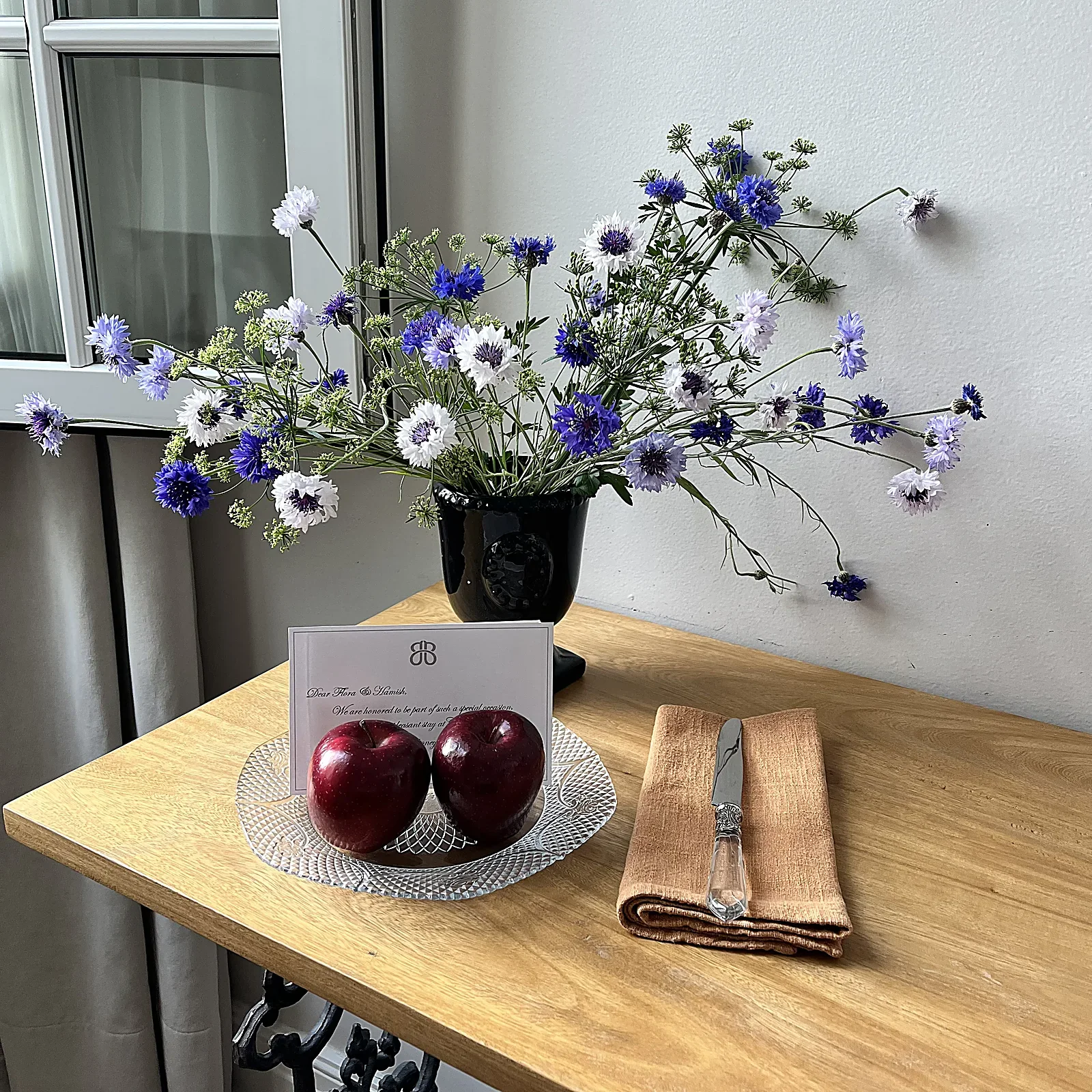
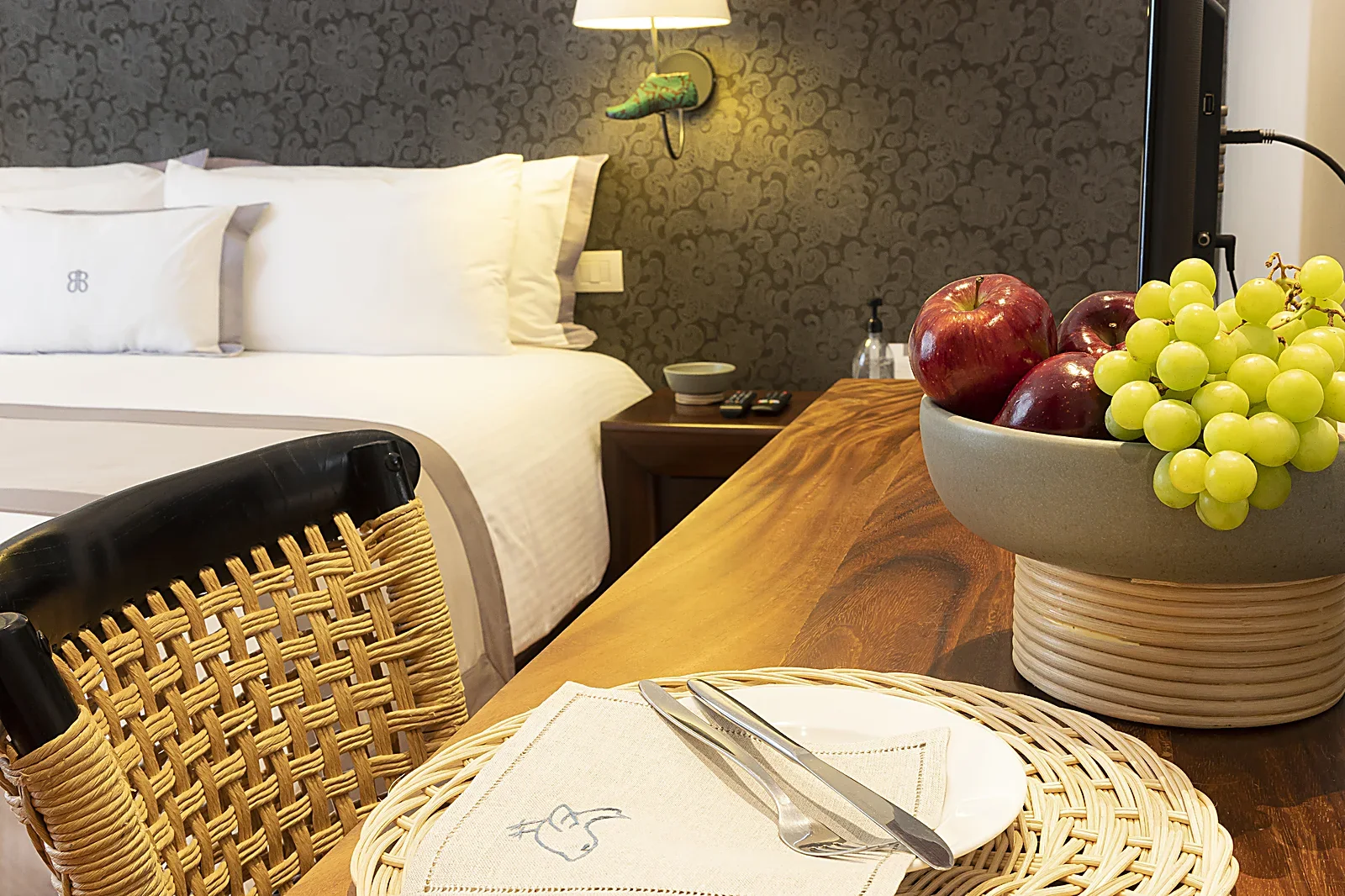
Located perfectly in the heart of Roma Norte, staying at our restored early 20th-century mansion allows you to truly, intimately test-drive the neighborhood before committing to a lease. After a stressful, exhausting day of viewing properties and navigating real estate negotiations, returning to a secure, quiet, luxurious sanctuary with premium bedding, highly reliable high-speed Wi-Fi for your remote work, and an expert concierge team to help translate local nuances is profoundly invaluable.
Essential Tips for Your Move to CDMX
- Learn Basic Spanish Immediately: Even in the highly international, expat-heavy streets of Roma Norte, speaking the local language shows immense respect and opens countless social and professional doors.
- Sort Your Visa Legally: Deeply understand the crucial difference between a standard tourist FMM (which is increasingly strictly enforced) and applying for a Temporary Resident Visa at a Mexican consulate in your home country if you plan to stay longer than 180 days.
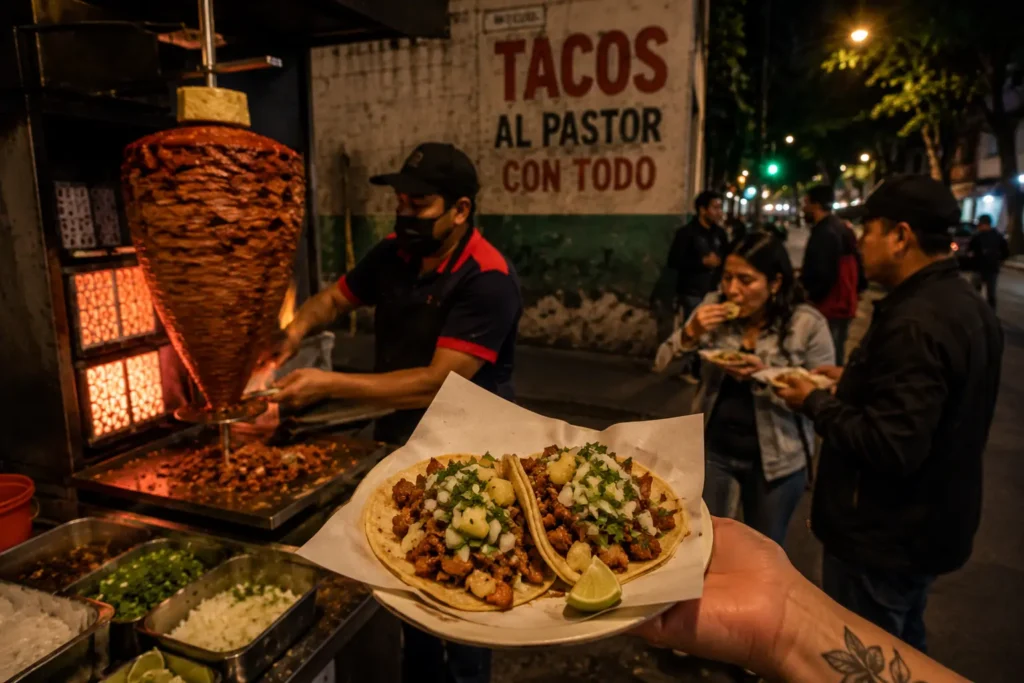
- Embrace the Local Culture: Make a conscious, dedicated effort to step completely out of the English-speaking expat bubble. Eat authentic street tacos, visit local markets, and immerse yourself in the authentic, rhythmic life of Mexico City.
Frequently Asked Questions (FAQ)
Where do expats live in Mexico City?
The vast majority of expats and digital nomads living in Mexico City reside in the central, highly walkable neighborhoods of Roma Norte, Condesa, and Polanco. Roma Norte is heavily favored by creatives and remote workers due to its vibrant culinary scene and cafe culture.
Is Mexico City safe for expats in 2026?
Yes, Mexico City is highly safe for expats, provided they choose to live in established, secure neighborhoods like Roma Norte and Condesa. The expat community is thriving, and the central districts are heavily monitored by modern security systems and police patrols.
How do expats find apartments in Mexico City?
Expats typically find the best apartments by securing short-term luxury accommodation like a boutique hotel first, then physically walking the neighborhoods to look for “Se Renta” signs. Hiring a local bilingual real estate agent is also highly recommended to navigate complex rental laws.
What is a Póliza Jurídica?
A Póliza Jurídica is a legal insurance policy that expats must often purchase when renting an apartment in Mexico City if they do not have a “fiador” (a local person who owns property in the city willing to act as a guarantor for the lease).
2026 Mexico City Expat Neighborhoods: Side-by-Side
| Neighborhood | 1-BR Rent (USD/mo) | Walkability | Expat Density | Best For |
|---|---|---|---|---|
| Roma Norte | $1,200–$2,200 | Excellent | High | First-time expats, remote workers |
| Condesa | $1,000–$1,900 | Excellent | High | Couples, dog owners |
| Polanco | $1,800–$3,500 | Good | Medium-High | Families, corporate |
| Juárez | $800–$1,500 | Excellent | Medium | Creatives, budget expats |
| San Ángel | $1,100–$2,000 | Moderate | Low-Medium | Families, retirees |
| Coyoacán | $700–$1,400 | Good | Low | Cultural integration, students |
| Del Valle | $700–$1,300 | Moderate | Low | Long-term, lower budget |
Rent ranges are USD for unfurnished 1-bedroom apartments in 2026 (May data). Furnished short-term rentals via Airbnb run 40–80% higher. Walkability scores reflect local foot-traffic, sidewalks and metro/Cablebús access.
Mexico City Expat Neighborhoods FAQ
What is the best neighborhood in Mexico City for expats?
Roma Norte is consistently ranked the best Mexico City neighborhood for expats in 2026. It combines a large established expat community, walkable tree-lined streets, hundreds of cafés and restaurants, central location, strong safety profile and a high density of furnished apartments and coworking spaces. For first-time expats arriving in CDMX, Roma Norte is the lowest-friction landing.
How much does it cost to live in Mexico City as an expat?
A comfortable monthly budget for a single expat in Mexico City in 2026 ranges from $1,800–$3,500 USD depending on neighborhood and lifestyle. This typically breaks down as: rent $900–$2,200 (one-bedroom in Roma Norte/Condesa), utilities $80–$150, groceries $250–$400, eating out $200–$500, transportation $40–$120 (Uber-dependent), and entertainment $200–$500. Polanco runs 30–50% higher; Coyoacán, Del Valle and Juárez run 20–30% lower.
What is the difference between Roma Norte and Condesa for expats?
Roma Norte is denser, more commercial, more design and food-focused — the better fit for remote workers and first-time expats. Condesa is greener (Parque México and Parque España), quieter, more residential, slightly cheaper and a stronger fit for couples or dog owners. The two neighborhoods touch each other and most expats end up shopping, dining and socializing in both, but choosing where to live often comes down to vibe preference: lively (Roma Norte) vs. relaxed (Condesa).
Is Mexico City safe for expats?
For expats living in the central neighborhoods (Roma Norte, Condesa, Polanco, Juárez, San Ángel, Coyoacán, Del Valle), Mexico City is considered safe in 2026. The U.S. State Department maintains a Level 2 advisory — the same level as France or Spain. Most safety incidents are opportunistic (pickpocketing, phone snatches, ATM skimming) and easy to avoid with basic urban precautions. Tepito, Iztapalapa and Ciudad Neza should be avoided.
How do I find an apartment in Mexico City as an expat?
Most expats start with furnished Airbnb-style rentals (Sonder, Selina, monthly Airbnbs) for the first 1–3 months. For long-term unfurnished, the main channels are Inmuebles24, Vivanuncios and Facebook expat groups (“Expats in Mexico City”, “Roma Norte Apartments”). Local real estate agents charge a one-month finder’s fee. Most landlords require a Mexican guarantor (aval) or 6+ months of rent upfront — many expat-friendly buildings waive this for a higher deposit.
Do I need a visa to live in Mexico City as a US/Canadian expat?
U.S. and Canadian citizens can enter Mexico visa-free for up to 180 days. For longer stays, expats apply for a Temporary Resident Visa (1–4 years) or a Permanent Resident Visa, requiring proof of income ($2,700+ USD/month for ~6 months) or savings ($45,000+ USD), processed at a Mexican consulate in your home country before arrival. Many remote workers cycle in/out on tourist stays in the meantime. Consult a Mexican immigration lawyer for your specific situation.
What’s the best neighborhood for digital nomads in Mexico City?
Roma Norte is widely considered the best Mexico City neighborhood for digital nomads in 2026. It has the highest concentration of coworking spaces (Selina, WeWork, Público, Homework), reliable fiber internet (Totalplay, Telmex Infinitum at 200–500 Mbps), café-friendly remote work culture, walkability, English-speaking establishments and a constant rotation of newly arrived nomads to network with. Condesa is the close second.
Is the expat community in Mexico City growing or shrinking?
The expat community in Mexico City has grown significantly since 2020, when remote work normalized and the city’s cost-of-living advantage relative to U.S. and European cities became more visible. Roma Norte, Condesa and Juárez have seen the largest influx — driving rent increases of 30–60% in those neighborhoods over five years. The community continues to grow in 2026, though the rent inflation has pushed newer arrivals toward Juárez, Del Valle and Coyoacán.
Frequently Asked Questions
Which Mexico City neighborhood is best for expats?
Roma Norte consistently leads as the most desirable expat neighborhood in Mexico City, thanks to its climate, affordable dining and vibrant culture.
Why do expats choose Mexico City?
Mexico City offers a spring-like climate, affordable world-class dining and rich culture, making it one of the top relocation destinations for digital nomads and remote workers.
Is Roma Norte a good neighborhood for newcomers to Mexico City?
Yes — it’s often the first recommendation for newcomers thanks to its walkability, safety and strong expat community.